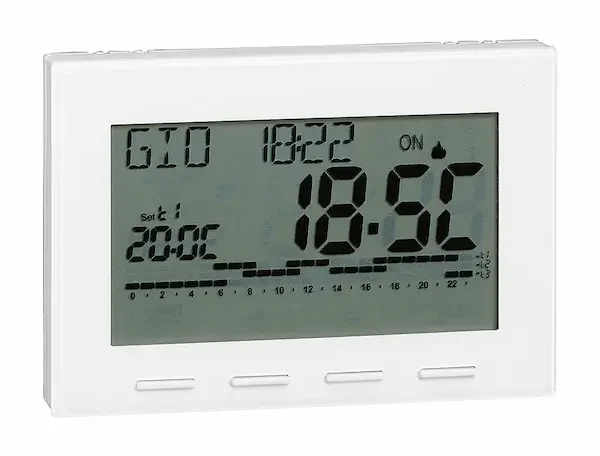
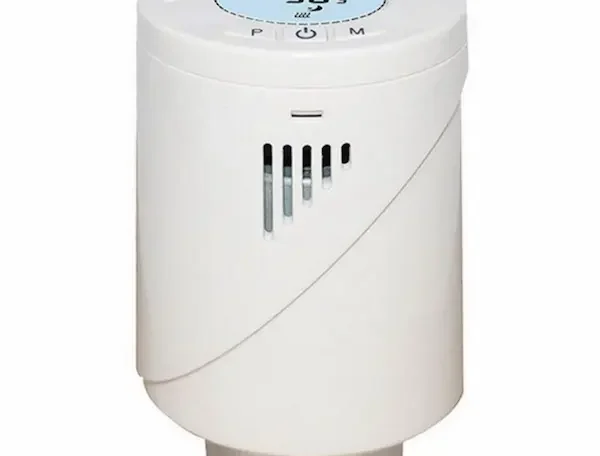
An Underfloor Heating Thermostat is an essential component of a modern underfloor heating system, helping regulate room temperatures and maintain consistent indoor comfort. By monitoring the ambient temperature and adjusting the heating system accordingly, it supports energy efficiency, reduces unnecessary heating, and helps maintain a comfortable environment throughout the space. Choosing the right thermostat is important for homeowners, architects, contractors, and property developers seeking reliable and efficient heating solutions. Working with a professional central heating company can also help ensure the thermostat is compatible with the heating system and configured to meet the specific requirements of the property.
Modern heating controls offer different features, including programmable schedules, temperature adjustment, and smart connectivity. Depending on the model, an Underfloor Heating Floor Sensor can also monitor floor temperature to help maintain suitable operating conditions for the flooring and heating system. The correct combination depends on the heating type, floor construction, user preferences, and manufacturer recommendations.
An Underfloor Heating Thermostat measures temperature through an internal room sensor, an external floor sensor, or both, depending on its design. It compares the measured temperature with the user’s selected setting and switches or regulates the heating output accordingly.
For electric underfloor heating, the thermostat typically controls the electrical heating circuit through a compatible switching device. For water-based systems, it may communicate with actuators, zone controls, or other heating equipment to regulate the supply of heat.
The control method varies by system, so compatibility must be confirmed before selecting a thermostat. Correct installation and configuration help the system maintain the desired temperature without unnecessary fluctuations.
Read More : Underfloor Heating Manifold
Room sensors measure the air temperature inside a room, helping the heating system respond to changes in the indoor environment. Floor sensors measure the temperature beneath the floor finish and can help prevent the floor from becoming excessively warm when used with compatible controls.
An Underfloor Heating Floor Sensor is particularly useful where floor temperature limits are important, such as installations beneath certain wood, laminate, or vinyl finishes. The permitted temperature depends on the flooring manufacturer and the heating system specifications.
Some installations use both room and floor temperature measurements. This arrangement allows the thermostat to control comfort while maintaining an appropriate floor temperature limit, provided the selected thermostat supports this configuration.
Learn More : Hydronic Underfloor Heating
Selecting suitable heating controls involves more than choosing a model with an attractive display. The following features can influence performance and everyday convenience.
A suitable thermostat should measure temperature reliably and maintain the selected setting within its specified control range. Accurate control helps reduce uncomfortable temperature fluctuations.
Programmable controls allow users to set heating periods around their daily routines. For example, the system can be scheduled to operate before occupants arrive home, depending on the floor’s thermal response and the system’s design.
Some models support Wi-Fi connectivity and smartphone applications, allowing users to adjust settings remotely. These features depend on the thermostat model, network requirements, and available manufacturer software.
A compatible Underfloor Heating Floor Sensor can provide floor temperature readings and support temperature limits where required. This is especially important when the floor finish has specific temperature restrictions.
Thermostats must match the type of heating system, electrical requirements, control interface, and any connected actuators. Checking compatibility before purchase helps prevent installation problems and unnecessary replacement costs.
Read the Full Article : cost of underfloor heating vs radiators
An Underfloor Heating Thermostat helps manage when heating operates and the temperature it aims to maintain. Appropriate settings can support efficient operation by aligning heating schedules with occupancy and comfort requirements.
However, thermostat settings alone do not determine energy consumption in an underfloor heating system. Factors such as insulation quality, building heat loss, floor construction, outdoor temperatures, and heat source efficiency all influence overall operating costs. Underfloor heating may also respond more slowly than some conventional heating systems because heat must travel through the floor structure before reaching the room. Understanding these factors helps homeowners, architects, and contractors make informed decisions about system design, temperature control, and energy efficiency.
For this reason, large and frequent temperature adjustments may not always be practical. A consistent schedule suited to the building and system can help maintain comfort while avoiding unnecessary heating. The most effective settings depend on the property’s characteristics and the manufacturer’s guidance.
Read the Full Article : underfloor heating cost
Correct installation is essential for reliable temperature measurement and control. Thermostats should be positioned according to the manufacturer’s instructions, away from unsuitable locations that could distort room temperature readings, such as direct sunlight or nearby heat sources.
When a floor sensor is required, it should be installed in the specified position and method, with suitable protection and accessibility arrangements. The installer should verify sensor compatibility, wiring, controller settings, and system operation before completing the installation.
An Underfloor Heating Floor Sensor should also be checked for correct readings during commissioning. Any suspected fault should be investigated according to the manufacturer’s troubleshooting instructions by a qualified professional where electrical work is involved.
Routine maintenance requirements vary by model, but users should keep controls clean, review programmed schedules when household routines change, and follow the manufacturer’s recommendations for inspection and servicing.
Read More : Underfloor Heating Pipe Spacing
Choosing the wrong control equipment can affect usability and system performance. Common mistakes include:
Careful product selection and professional commissioning help reduce avoidable issues and support dependable operation over time.
Since 2010, Greenwell has been providing heating solutions tailored to residential and commercial project requirements. Our team can help you explore suitable underfloor heating controls, assess your project’s requirements, and identify compatible solutions for reliable temperature management and everyday comfort.
Contact Us to discuss your project and find the right heating solution for your property.
Not every installation requires a separate floor sensor. The requirement depends on the heating system, thermostat design, floor finish, and manufacturer’s instructions. A floor sensor can provide additional temperature monitoring and help maintain flooring temperature limits when supported by the control system.
A thermostat can help manage heating schedules and maintain suitable indoor temperatures, which may reduce unnecessary heating. Actual savings depend on insulation, building heat loss, system design, energy prices, and user settings. No specific saving can be guaranteed without assessing the installation.
Some thermostats offer Wi-Fi connectivity and compatible smartphone applications for remote temperature adjustment and scheduling. Remote access depends on the model, network connection, and manufacturer requirements. Check the product specifications to confirm that these functions are available.