Underfloor Heating Edge Insulation is an essential component of a well-designed underfloor heating system. It helps reduce unwanted heat transfer between the heated floor and adjacent walls, supporting better thermal performance and indoor comfort. Installed around the perimeter of the floor, where the screed meets walls, columns, and other fixed structural elements, edge insulation also allows for natural floor movement caused by temperature changes.
When an underfloor heating system operates, heat passes through the floor structure and warms the room. Without suitable perimeter insulation, some heat may transfer into surrounding building elements instead of contributing to the intended heated space. Properly selected and installed edge insulation helps minimize this unwanted heat transfer and supports the overall efficiency and durability of the system.
For homeowners, architects, contractors, and property developers, choosing the right insulation material, thickness, and installation method is an important step in planning an effective heating solution. The correct specifications depend on the floor construction, heating design, building requirements, and manufacturer’s recommendations. Working with a professional central heating company like Greenwell can help you identify the appropriate underfloor heating components and plan a system designed for reliable performance, energy-conscious operation, and long-term comfort.
Perimeter insulation supports the thermal performance and durability of an underfloor heating installation. Although the amount of heat lost through the floor edges varies by building design, poorly detailed junctions can create avoidable heat transfer and contribute to thermal bridging.
Reducing heat loss: Insulation around the floor perimeter helps limit heat transfer from the heated screed into adjacent walls and structural elements. This can help the system direct more of its heat towards the intended space.
Supporting energy efficiency: Reducing unnecessary heat loss can support efficient system operation. However, actual energy consumption also depends on floor insulation, building airtightness, heat source efficiency, control settings, and the property’s overall heat demand.
Allowing floor movement: Heated screeds expand and contract as temperatures change. Suitable perimeter insulation materials can provide compressible separation between the screed and surrounding structures, helping accommodate movement when correctly specified.
Improving installation quality: Properly detailed floor edges contribute to a more complete heating installation and help reduce the risk of rigid contact between the screed and adjacent construction.
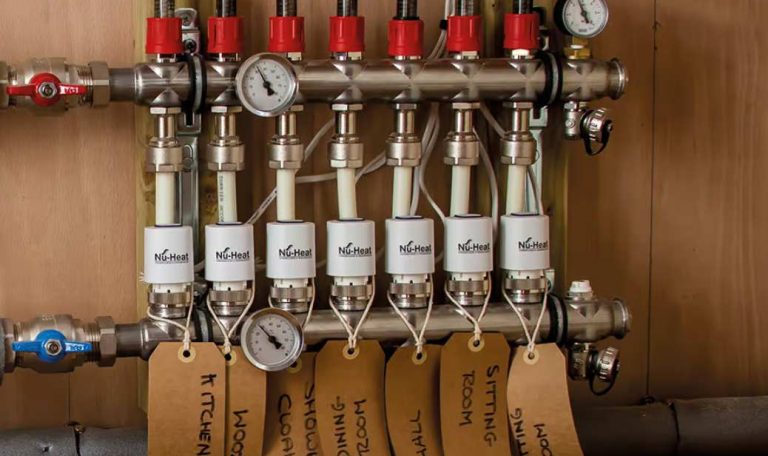
Read More : Underfloor Heating Manifold
Underfloor Heating Edge Insulation creates a separating layer between the heated floor screed and surrounding walls or other fixed elements. Its thermal resistance helps reduce heat transfer at the floor perimeter, while its compressibility can accommodate movement in the floor construction.
In a typical screeded underfloor heating installation, a perimeter strip is fitted along the walls before the screed is poured. The strip generally extends through the height of the screed and may project above the finished floor level until the floor covering has been installed.
Once the screed is in place, the perimeter material separates it from the surrounding walls. This helps prevent direct rigid contact that could otherwise contribute to thermal bridging or restrict movement.
The exact arrangement depends on the system design. Installers should follow the insulation manufacturer’s instructions and the relevant floor construction specifications to ensure that the perimeter detail performs as intended.
Learn More : Hydronic Underfloor Heating
Different materials are available for perimeter insulation, and their suitability depends on the installation conditions.
Polyethylene foam is commonly used for perimeter strips because it is lightweight, compressible, and practical to install. It can help separate the screed from walls and accommodate movement when selected in the correct specification.
Some expanded polyethylene products are designed specifically for floor heating applications. Their compressibility and thermal properties make them suitable for certain perimeter detailing requirements, subject to product specifications.
Purpose-designed edge strips may include adhesive backing, fixing tabs, or an integrated membrane to simplify installation and help maintain the separation between the screed and surrounding elements.
The correct choice should be based on the product’s declared thermal properties, compressibility, dimensions, compatibility with the screed, and the manufacturer’s installation guidance. Not every insulation product is suitable for every floor construction.
Read the Full Article : cost of underfloor heating vs radiators
Correct installation is essential for ensuring that the insulation remains effective throughout the construction process.
Step 1: Prepare the perimeter
Before installing the insulation, ensure that the wall surfaces and floor perimeter are sufficiently clean and ready for the specified fixing method. Check the floor design to identify walls, columns, doorways, and other locations requiring perimeter detailing.
Step 2: Select the appropriate strip
Choose an edge strip with suitable thickness, height, and compressibility for the screed and finished floor construction. The strip should meet the project specifications and comply with the manufacturer’s recommendations.
Step 3: Install the strip continuously
Position the insulation along the perimeter of the heated floor, ensuring that it remains continuous around corners and structural projections. Avoid gaps that could allow the screed to contact adjacent walls directly.
Step 4: Coordinate with the floor insulation
The perimeter strip should be installed in a way that complements the floor insulation and minimises gaps at junctions. Particular care is needed around doorways, thresholds, and connections between heated and unheated areas.
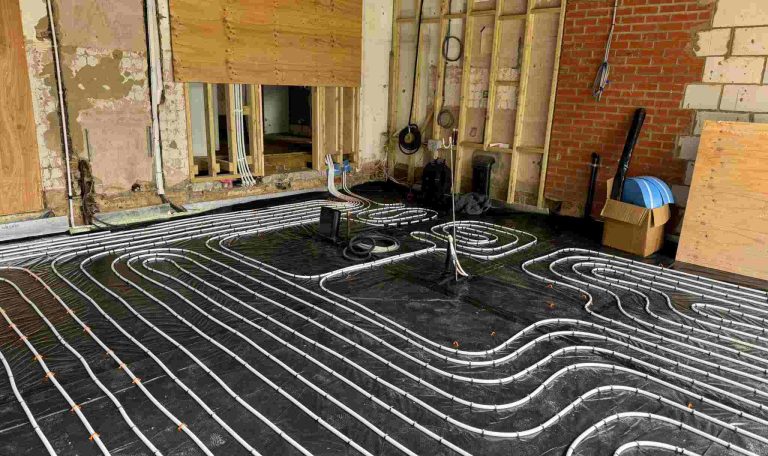
Step 5: Install the heating pipes and screed
Complete the heating pipe layout and other system components according to the approved design. During screed installation, take care to prevent the perimeter strip from moving, folding, or becoming damaged.
Step 6: Complete the floor finish
Follow the specified procedure for trimming excess insulation after the screed and floor finish have been installed. The final detail should comply with the floor covering manufacturer’s instructions and the requirements for movement joints.
Read the Full Article : underfloor heating cost
Poor perimeter detailing can undermine the quality of an otherwise well-designed underfloor heating installation. The following mistakes should be avoided:
Inspecting the installation before the screed is poured can help identify problems while they are still easy to correct.
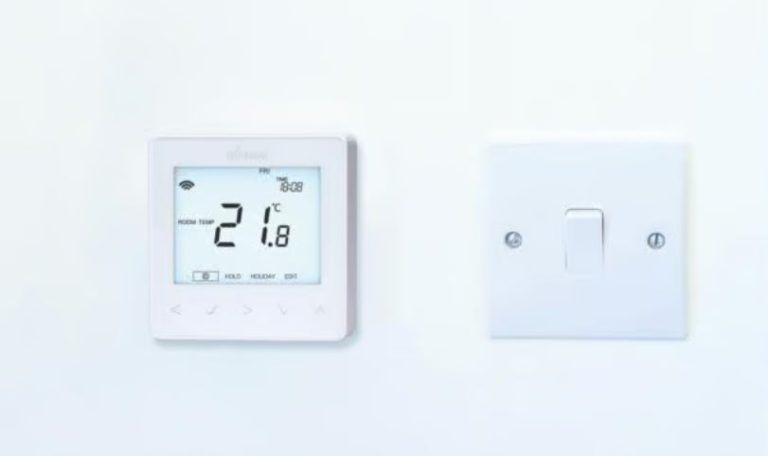
Read More : Underfloor Heating Thermostat
Perimeter insulation works alongside other components to improve the performance of an underfloor heating system. Floor insulation beneath the heating layer helps limit downward heat loss, while perimeter insulation addresses heat transfer at the edges of the floor.
Both components should be considered during the design stage. The required insulation specification depends on whether the floor is installed above the ground, over an unheated space, or above another heated room. Local building regulations and project-specific thermal calculations may also influence the design.
A complete approach should consider the floor’s thermal resistance, pipe spacing, screed properties, heat source, and temperature controls. When these elements are coordinated properly, the heating system is better positioned to provide consistent comfort and reliable performance.
Since 2010, Greenwell has been providing heating solutions tailored to residential and commercial project requirements. Our team can help you explore suitable underfloor heating options and understand the insulation and installation considerations that support reliable system performance.
Contact Us to discuss your project and explore the right heating solution for your property.
Perimeter insulation is commonly specified in screeded underfloor heating installations to help reduce heat transfer at floor edges and accommodate movement. The exact requirements depend on the floor construction, system design, applicable regulations, and manufacturer guidance.
The appropriate thickness depends on the selected product, screed design, floor build-up, and movement requirements. Installers should use the dimensions specified in the project design and the manufacturer’s documentation rather than choosing a thickness based on a general recommendation.
Yes. Gaps or incorrectly installed perimeter insulation can increase unwanted heat transfer at floor edges and may contribute to thermal bridging or movement-related problems. Proper installation helps support the intended thermal performance and durability of the floor system.