Choosing the right heating solution can make a major difference in indoor comfort, energy efficiency, operating costs, and long-term property value. With several heating technologies available today, understanding the types of central heating systems can help homeowners, architects, and property developers select a solution that matches the building’s size, design, climate, and heating requirements.
In Egypt, where winter temperatures can vary significantly between regions, central heating can provide consistent warmth throughout a property instead of relying on individual heaters in different rooms. Working with a professional central heating company can also ensure that the system is designed around the property’s insulation, floor plan, heating requirements, and hot-water needs.
A central heating system is a heating solution designed to generate heat at a central source and distribute it throughout different areas of a building.
Depending on the system design, heat can be transferred through:
A typical system consists of a heat source, distribution network, control system, and heat emitters. Modern installations can also include thermostats and smart controls that allow homeowners to adjust temperatures according to their preferences.
Understanding the different types of central heating systems is therefore an important step before choosing the right Central heating systems for a villa, apartment, commercial property, or large residential development.
Find Out More : central heating maintenance
The main categories differ according to the heat source and the way heat is distributed throughout the property. Some systems use boilers and hot water, while others use electricity or heat pumps.
The most common options include:
Each option has different installation requirements, operating characteristics, and applications.
Find Out More : cost of underfloor heating vs radiators
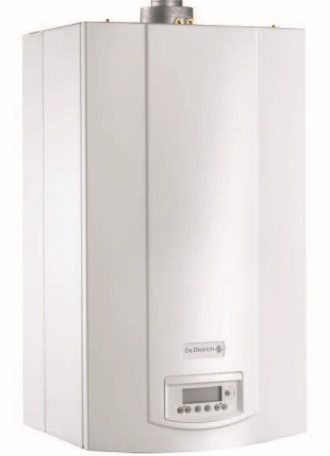
Gas central heating systems use a gas boiler to heat water. The heated water is then circulated through pipes to radiators or underfloor heating circuits.
This type of system is commonly considered for properties that require reliable heating across multiple rooms.
A properly designed gas boiler system can be particularly useful when the property requires a central heat source capable of serving several zones.
Learn More : how to bleed a radiator
Electric systems generate heat using electricity rather than gas. They can be suitable for properties where gas infrastructure is unavailable or where an electrically powered solution is preferred.
Electric heating can be integrated with different heating distribution methods depending on the building design.
Discover More : heating and cooling company
Electric systems may be considered for:
The overall operating cost depends on electricity tariffs, insulation quality, system efficiency, and the required heating load.
An underfloor heating system distributes heat through pipes or electric heating elements installed beneath the floor surface, providing comfortable and evenly distributed warmth across the room.
Water-based underfloor heating is particularly suitable for new construction or major renovations because the pipe network can be incorporated into the floor design during construction.
Some important benefits include:
For luxury villas and modern residential projects, underfloor heating can provide a clean appearance while maintaining comfortable indoor temperatures.
Heat pumps transfer heat rather than generating it through traditional combustion. Depending on the system, they can extract heat from the air or another heat source and transfer it into the building.
Heat pumps can work particularly well with low-temperature heating systems such as underfloor heating.
However, the correct heat pump capacity must be calculated according to the building’s heating demand rather than simply selecting a unit based on property size.
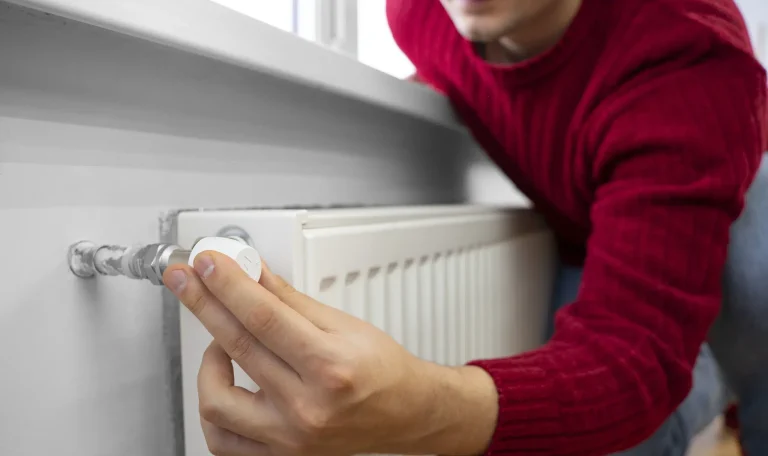
Radiator systems remain one of the most recognizable forms of central heating. A boiler or another heat source heats water, which circulates through a network of pipes connected to radiators.
Radiators can be installed in individual rooms and controlled through thermostatic valves or room thermostats.
The radiator size and water temperature should be calculated according to the heat loss of each room.
Find Out More : heating & air conditioning near me
Air-based systems distribute heated air through ducts and vents. A central heating unit heats the air before it is circulated throughout different rooms.
These systems can provide relatively fast temperature changes and may be integrated with ventilation or air-conditioning systems depending on the building design.
They are more common in certain commercial and modern building applications where ductwork can be incorporated into the architectural design.
Hybrid systems combine two or more heating technologies to improve flexibility and efficiency.
For example, a property may combine a heat pump with another heat source to meet heating demand under different operating conditions.
Hybrid solutions can be considered when the property has varying heating requirements or when the owner wants to combine renewable and conventional heating technologies.
Selecting between the types of central heating systems requires more than comparing the price of the equipment.
A professional heating design should consider several factors.
The total area of the property affects the required heating capacity, but floor area alone is not enough to determine the correct system size.
Well-insulated buildings generally require less heating energy because they lose less heat through walls, roofs, windows, and doors.
A multi-zone heating system can allow different areas of the property to operate at different temperatures.
The availability of gas, electricity, and other energy sources can influence which system is practical for the property.
Underfloor heating is generally easier to integrate during construction or major renovation, while radiators may be easier to install in an existing property.
If the property also requires domestic hot water, the heating system should be designed with the hot-water demand in mind.
There is no single heating system that is automatically the most efficient for every building.
Efficiency depends on the heat source, system design, building insulation, operating temperature, controls, installation quality, and how the system is used.
For example, a well-designed low-temperature heating system can work particularly well with a heat pump, while a properly sized boiler can be an effective solution for properties designed around gas heating.
The best approach is to calculate the building’s heat load before selecting equipment.
Correct sizing is one of the most important parts of a successful heating installation.
An oversized system can increase equipment and operating costs, while an undersized system may struggle to maintain the desired indoor temperature during colder periods.
Professional design normally considers:
This information helps determine the required capacity and distribution method.
Climate, property design, and construction standards should all be considered when selecting heating technology in Egypt.
For villas and residential properties in areas such as New Cairo, Fifth Settlement, Sheikh Zayed, 6th of October, the New Capital, and the North Coast, the appropriate solution can vary depending on the building structure and the owner’s requirements.
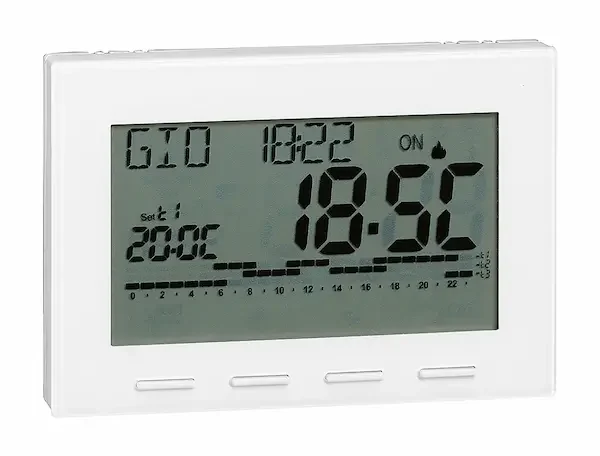
Modern central heating can also be integrated with smart thermostats and zoning controls to provide greater control over indoor comfort.
Understanding the types of heating systems makes it easier to compare heating technologies and identify the solution that matches a property’s actual requirements.
There is no universal system suitable for every building. A successful heating project starts with professional heat-load calculations, appropriate equipment selection, proper pipework design, and suitable temperature controls.
For villas, residential developments, and premium properties in Egypt, Greenwell provides central heating solutions designed around the project’s architectural and technical requirements.
Looking for a professional central heating solution in Egypt? Contact Greenwell to discuss your project and choose a heating system designed around your property’s needs.
The main categories include gas boilers, electric heating, underfloor heating, heat pumps, radiator systems, air-based heating, and hybrid solutions. The appropriate option depends on the property, available energy source, heating demand, and installation requirements.
A villa can use different heating technologies depending on its size, insulation, architectural design, and heating requirements. Underfloor heating, radiator systems, boilers, and heat pumps can all be considered as part of a properly designed solution.
Underfloor heating provides heat across a large floor area and can offer an even distribution of warmth. Radiators, however, can be easier to install in existing properties. The appropriate choice depends on the building and project requirements.
Heating capacity should be calculated from the building’s heat loss rather than using floor area alone. Factors such as insulation, windows, room dimensions, outdoor temperature, and desired indoor temperature should be considered.
Yes. Some central heating configurations can be designed to provide both space heating and domestic hot water, depending on the boiler, water-heating equipment, storage requirements, and system design.
The service life varies according to the equipment, installation quality, maintenance, operating conditions, and manufacturer specifications. Regular professional maintenance can help identify problems and maintain system performance.
Yes. Modern systems can incorporate programmable thermostats, zoning controls, and smart heating technologies. These controls can help users manage temperatures according to room usage and schedules.
The cost depends on the property size, selected technology, heating capacity, number of zones, equipment specifications, pipework, controls, and installation requirements. A professional assessment is needed to provide an accurate project quotation.
Before installation, consider the building’s heat load, insulation, available energy sources, preferred heating method, hot-water requirements, installation stage, controls, maintenance requirements, and available space for equipment.