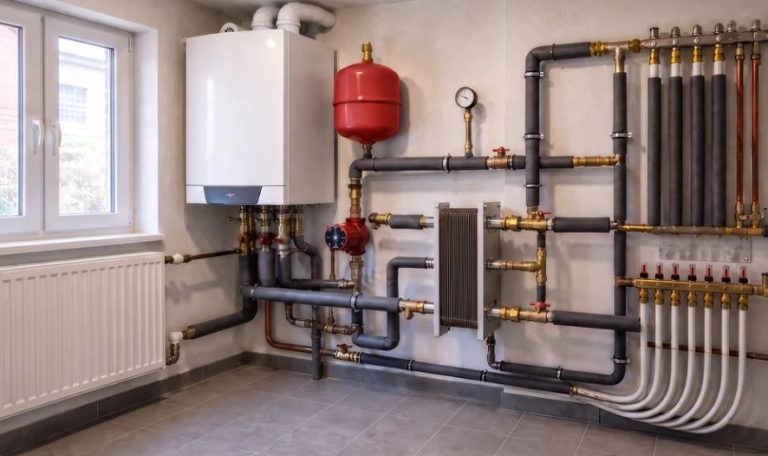
A well-maintained central heating system is essential for providing consistent indoor comfort and maintaining efficient heating performance. Over time, sludge, rust, and mineral deposits can build up inside pipes, radiators, and heat exchangers, restricting water circulation and reducing system efficiency. Central Heating System Flushing is a cleaning process designed to remove these unwanted deposits, improve water flow, and help restore the heating system’s performance.
Whether you own a residential property or manage a commercial building, regular heating system maintenance can help identify circulation problems, reduce the risk of avoidable breakdowns, and support reliable operation throughout the heating season. Understanding when your system needs flushing is an important step toward maintaining comfortable indoor temperatures and protecting your heating equipment.
Working with a professional central heating company like Greenwell can help you assess your system’s condition and determine whether flushing or other maintenance procedures are needed to maintain efficient and dependable heating.
Central Heating System Flushing is a cleaning process designed to remove accumulated sludge, rust particles, and other contaminants from a heating circuit. These deposits can develop naturally as water circulates through metal components, pipes, radiators, and boilers over time.
Depending on the system’s condition, a heating engineer may use a chemical cleaning solution, specialised flushing equipment, or a combination of methods to help dislodge and remove unwanted material.
The objective is to improve circulation throughout the heating circuit, help components operate as intended, and reduce the impact of contamination on heating performance.
The appropriate cleaning method depends on the system’s age, materials, configuration, and the severity of the buildup. A professional assessment helps determine the safest and most suitable approach.
Read More : Hydronic Central Heating System
Recognising early warning signs can help you address circulation problems before they affect the entire installation.
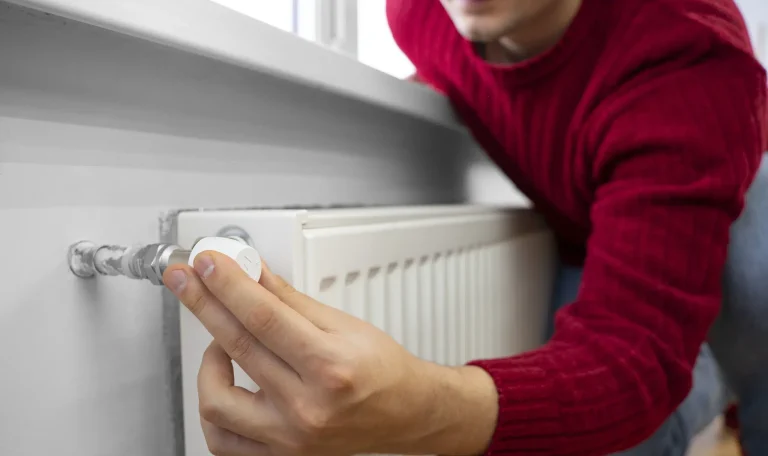
If some radiators remain cold while others heat normally, sludge or restricted circulation may be preventing hot water from reaching every part of the system effectively.
A heating system that takes longer than usual to warm a room may have circulation issues. Although several factors can cause slow heating, internal contamination is one possibility worth investigating.
Banging, gurgling, or other unusual sounds can indicate trapped air, restricted water flow, or deposits affecting system operation. A qualified engineer can identify the underlying cause.
Dark or dirty water released during maintenance may indicate corrosion products and accumulated debris. This should be assessed alongside other symptoms rather than treated as definitive proof that flushing is required.
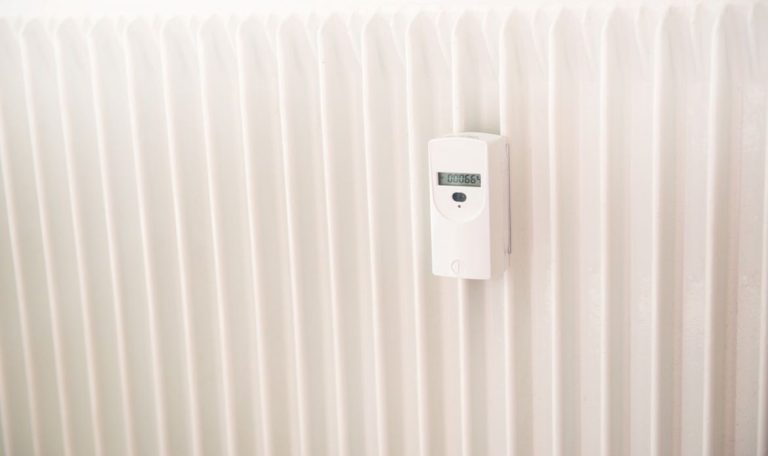
If energy consumption rises without a clear change in usage, the heating system may not be operating efficiently. Contamination can contribute to this problem, but controls, insulation, boiler condition, and other factors should also be checked.
Learn More: Types of Central Heating Systems
The process should be selected according to the system’s condition and the manufacturer’s recommendations.
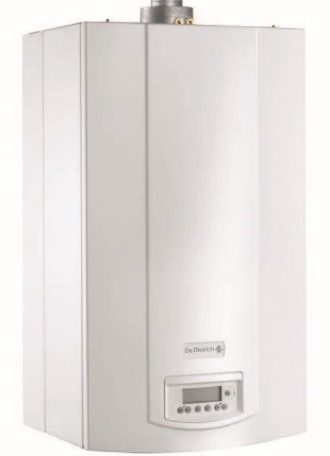
Initial inspection: A heating professional checks the boiler, radiators, pipework, circulation, and available maintenance records. This assessment helps identify potential blockages and other faults.
Choosing the cleaning method: Depending on the findings, the engineer may recommend chemical cleaning, power flushing where appropriate, or another suitable maintenance procedure.
Removing accumulated deposits: Cleaning equipment and approved products help loosen and remove contaminants from the heating circuit. The method must be compatible with the installed components and pipe materials.
Rinsing and checking water quality: The system may be rinsed until the water meets the relevant cleanliness requirements. The engineer can then assess circulation and check for remaining issues.
Refilling and protection: After cleaning, the system is refilled correctly and may require a suitable corrosion inhibitor. The engineer should follow the system manufacturer’s instructions.
Final performance checks: Radiators, circulation, controls, and operating temperatures are checked to confirm that the system is functioning properly.
Professional Central Heating System Flushing should always be carried out with appropriate equipment and procedures. Incorrect pressure, unsuitable chemicals, or improper handling can damage components, particularly in older or poorly maintained systems.
Discover More : Central Heating Maintenance
Removing deposits that restrict water flow can help hot water circulate more evenly through the heating circuit. This may improve heat distribution across radiators and other emitters.
When circulation improves, rooms may reach their intended temperatures more consistently. However, room insulation, radiator sizing, and heating controls also influence comfort.
A clean heating circuit can help reduce problems caused by restricted flow and contamination. The actual effect on energy use depends on the original condition of the system and any other faults that need attention.
Removing harmful deposits can help address contamination-related issues and support system maintenance. Flushing cannot prevent every breakdown, so regular servicing remains important.
Combining appropriate cleaning with corrosion protection, correct system pressure, and routine inspections helps maintain the heating installation over time.
Central Heating System Flushing is not necessary at the same interval for every property. The decision should be based on the system’s condition, performance, water quality, and professional recommendations.
Explore More : Central Heating Boilers
A Magnetic Filter for Central Heating is a device fitted to a suitable part of the heating circuit to capture magnetic particles, including iron-rich debris produced by corrosion.
As heating water passes through the filter, magnetic contaminants are attracted to a magnet and collected inside the device. Many filters also help capture other suspended debris, depending on their design.
By collecting contaminants before they continue circulating, a Magnetic Filter for Central Heating can help reduce the amount of magnetic sludge reaching sensitive components such as pumps and heat exchangers.
The filter must be correctly sized and installed for the heating system. It also needs periodic cleaning, as collected debris does not disappear automatically.
Find Out More : cost of underfloor heating vs radiators
Flushing and filtration have different purposes, so one should not automatically be considered a replacement for the other.
Flushing removes existing contamination: A suitable flushing procedure is intended to clear accumulated deposits already present in the heating circuit.
Filtration collects circulating particles: A magnetic filter helps capture magnetic debris as the system operates, reducing the amount that continues moving through the circuit.
Maintenance keeps the system protected: After cleaning, an appropriately selected filter and corrosion inhibitor may help manage future contamination when recommended for the installation.
For a heavily contaminated system, fitting a filter alone may not remove existing sludge from radiators and pipework. Conversely, flushing without addressing the causes of corrosion may allow contamination to build up again.
A heating professional can assess whether the system needs cleaning, filtration, corrosion protection, or a combination of these measures.
Learn More : heating & air conditioning near me
There is no single flushing schedule that suits every heating installation. Some systems may operate for years without requiring a full flush, while others may develop circulation problems sooner because of corrosion, poor water quality, unsuitable system water, or previous maintenance issues.
Consider a professional assessment if you notice cold radiators, recurring circulation problems, dirty system water, or persistent heating performance issues.
A Magnetic Filter for Central Heating should also be checked and cleaned according to the manufacturer’s instructions. Regular servicing can help identify contamination early and determine whether further maintenance is necessary.
The most effective approach is condition-based maintenance rather than automatically flushing every system at the same interval.
Flushing without diagnosing the problem: Cold radiators or poor heating performance can have several causes. Airlocks, faulty valves, pump problems, and control settings may require different solutions.
Using unsuitable chemicals: Cleaning products must be compatible with the boiler, pipework, seals, and other system components.
Ignoring corrosion protection: Once cleaning is complete, the system may need an appropriate inhibitor to help reduce future corrosion.
Installing a filter without maintenance: A filter that becomes clogged or is not cleaned as instructed may not perform as intended.
Assuming flushing guarantees lower bills: Cleaning may improve performance when contamination is a contributing factor, but energy savings depend on the overall system condition and how the property is heated.
Since 2010, Greenwell has been delivering professional heating solutions for residential and commercial projects. With experience in Central heating systems, our team helps homeowners, businesses, and property developers assess their heating requirements and explore suitable solutions tailored to their spaces. Whether you are planning a new installation or looking to improve an existing system, Greenwell focuses on reliable performance, efficient operation, and lasting indoor comfort.
Contact Us to discuss your project and find the right heating solution for your property.
Its main purpose is to remove accumulated sludge, rust, and other contaminants from the heating circuit. This can help restore circulation and address performance problems caused by internal deposits.
Not necessarily. A magnetic filter captures circulating magnetic particles, while flushing is used to remove existing contamination from the heating circuit. A system with significant sludge buildup may still need professional cleaning.
It can help when sludge or restricted circulation is reducing performance. However, the result depends on the system’s condition, and other issues such as faulty controls, inadequate insulation, or boiler problems may also need attention.