A Hydronic Central Heating System provides comfortable indoor heating by circulating heated water through pipes to radiators, underfloor heating circuits, or other suitable heat emitters. Instead of distributing warm air throughout a property, this system transfers heat from water to indoor spaces, creating a consistent and controllable heating environment. For homeowners, villa owners, architects, and property developers, understanding how a hydronic central heating system works is an important step toward choosing the right heating solution. As a professional central heating company, Greenwell provides heating solutions designed around building requirements, system performance, and long-term comfort.
A hydronic central heating system is a water-based heating network that transfers thermal energy from a heat source to different rooms in a building. The heat source may be a gas boiler, an electric boiler, or a compatible heat pump, depending on the property’s requirements and the available infrastructure.
The heated water travels through a closed or appropriately designed heating circuit and delivers heat through radiators or underfloor heating pipes. After releasing heat, the cooler water returns to the heat source to be reheated.
Unlike systems that rely primarily on forced air, hydronic heating uses water as its heat-transfer medium. Water can transport substantial amounts of thermal energy, making it suitable for residential heating applications when the system is correctly designed and installed.
Learn More : types of central heating systems
The operating process involves several connected components that work together to maintain the desired indoor temperature.
The boiler or heat pump heats water to a temperature suitable for the selected heating emitters. The required temperature depends on the system design, outdoor conditions, and the heat output needed in each room.
A circulation pump moves heated water through the pipe network. Correct pump selection and hydraulic design help maintain the required flow rate and distribute heat to different areas.
Radiators release heat into individual rooms, while underfloor heating systems distribute heat through pipes installed beneath the floor. Each option has different installation requirements, operating temperatures, and response times.
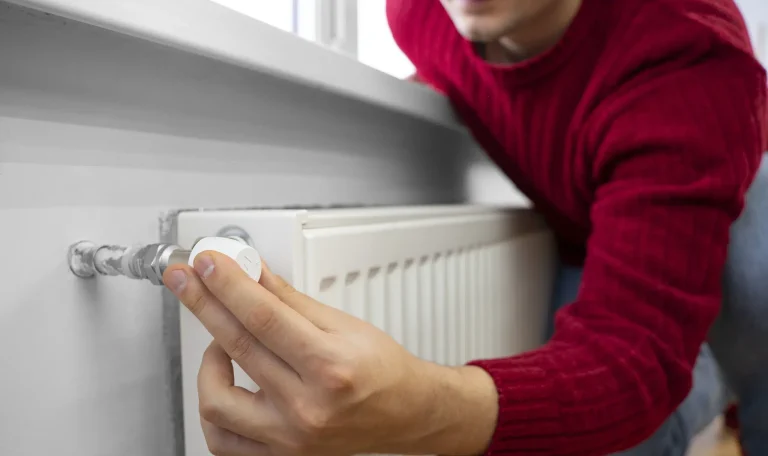
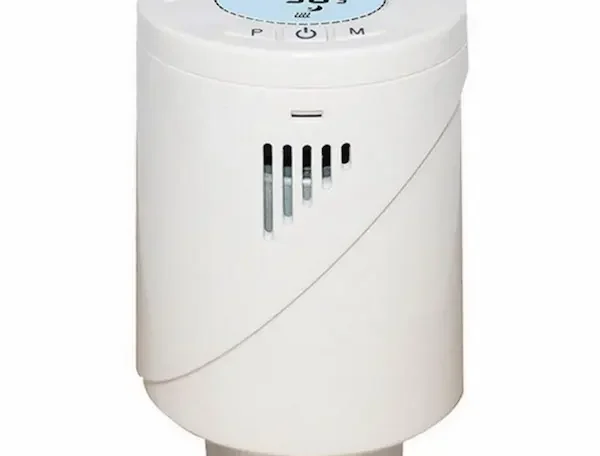
Thermostats, zone controls, and compatible valves help regulate the heating system. Depending on the design, different rooms or areas can have separate temperature settings.
After transferring heat, the water returns to the heat source. The system reheats and recirculates the water as required to maintain comfortable indoor conditions.
In simple terms, a hydronic heating system heats water, circulates it through the building, transfers heat into rooms, and returns the water for reheating.
Learn More : best electric heating radiators
The performance of a hydronic central heating system depends on selecting and coordinating its main components.
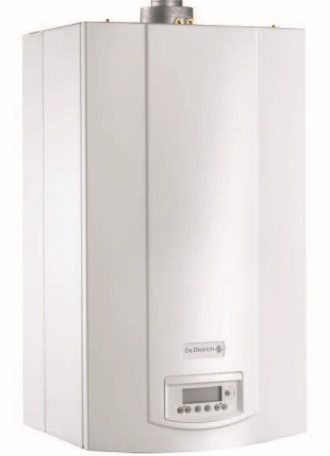
The boiler or heat pump supplies the thermal energy required for heating. The appropriate option depends on the building’s heat demand, fuel availability, operating costs, and the selected heat distribution system.
The pump maintains water movement through the network. Its flow rate and available pressure must match the hydraulic requirements of the installation.
Pipes connect the heat source to the radiators or underfloor heating circuits. Their material, diameter, insulation, and layout affect water flow, heat losses, and overall system performance.
Radiators provide room-by-room heat emission, while underfloor heating uses a network of pipes beneath the finished floor. Some properties can use both technologies when the design includes suitable temperature controls and hydraulic arrangements.
Water expands as it heats. In a closed heating circuit, an appropriately sized expansion vessel accommodates changes in water volume and helps control pressure variations. Safety valves and other protective components must also be selected and installed according to the system design and applicable requirements.
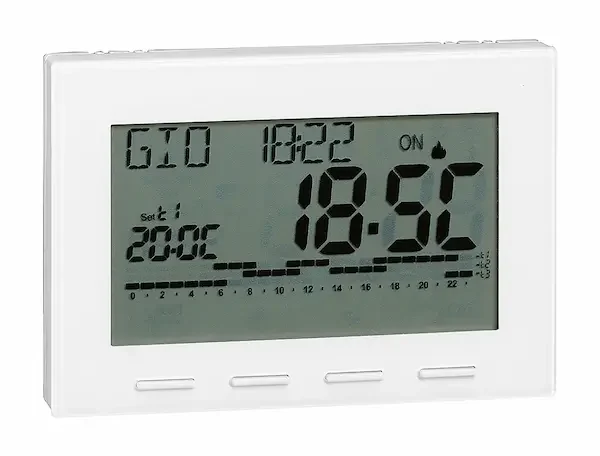
Temperature controls help the system respond to indoor heating demand. Depending on the configuration, these may include room thermostats, radiator valves, zone controls, and outdoor-temperature compensation.
A common question is whether hydronic central heating and underfloor heating are two different systems. The distinction is that hydronic heating describes the use of water to transfer heat, whereas underfloor heating describes one way of delivering that heat into a room.
| Feature | Hydronic Radiator Heating | Hydronic Underfloor Heating |
| Heat distribution | Wall-mounted radiators | Pipes beneath the floor |
| Room comfort | Warmth from individual radiators | Broad heat distribution across the floor |
| Response time | Generally faster | Generally slower due to floor thermal mass |
| Installation | Requires suitable radiator locations and pipework | Requires floor construction planning |
| Best design approach | Match radiator output to room heat loss | Design pipe circuits, flow rates, and floor construction together |
Both systems can provide comfortable heating when correctly designed. The best choice depends on the property’s construction stage, room layout, insulation, floor finishes, and the homeowner’s priorities.
Learn More : heating for winter
A properly designed water-based heating network can distribute heat throughout a property. Correct balancing and suitable controls help reduce temperature differences between rooms.
Hydronic systems can work with radiators, underfloor heating, or a combination of compatible heat emitters. This flexibility allows the design to reflect the building’s layout and heating requirements.
System efficiency depends on the heat source, water temperatures, insulation, controls, and installation quality. Condensing boilers and suitable heat pumps may benefit from lower operating temperatures when the complete system is designed to support them.
Zoning and thermostatic controls can help occupants adjust heating according to how different rooms are used. Effective controls may also reduce unnecessary heating when certain areas do not need it.
A hydronic system can be designed around modern boilers, heat pumps, smart controls, and other compatible components. Correct integration is important to achieve the intended performance.
Hydronic technology can enhance central heating systems by distributing heat through water instead of relying on warm air circulation. This approach allows the system to work with radiators or underfloor heating, depending on the property’s design and heating requirements. With proper sizing, professional installation, and suitable controls, a hydronic system can provide consistent indoor comfort and effective temperature management for residential properties.
Learn More : central heating maintenance
Good system design begins with the building rather than choosing a boiler based only on floor area.
A room-by-room heat-loss calculation estimates how much heat each space needs under the relevant design conditions. Factors include room dimensions, insulation, windows, air leakage, and outdoor design temperature.
The heat source must be able to meet the building’s calculated heating demand. Oversizing or undersizing can affect operating performance, comfort, and costs.
Pipe diameters, circuit lengths, flow rates, and pressure losses should be assessed to ensure adequate circulation. Hydraulic balancing helps distribute water according to each circuit’s requirements.
Radiators and underfloor heating circuits must provide sufficient heat output at the intended water temperatures. Their performance should be checked against the calculated heat loss of each room.
Thermostats, valves, pumps, expansion vessels, and protective devices should be coordinated as part of the overall design.
Before normal operation, the installation should be checked for leaks, correct pressure, circulation, control response, and appropriate system settings. Commissioning helps confirm that the installed system operates as intended.
Some heating issues can indicate a need for inspection or adjustment.
A qualified heating professional should investigate recurring issues rather than relying on adjustments that may not address the underlying cause.
Choosing a heating system requires more than selecting equipment. The design should account for the property’s heating demand, suitable heat distribution, system controls, installation requirements, and maintenance considerations.
Greenwell can help property owners assess heating requirements and identify suitable central heating or underfloor heating solutions. The objective is to align the system design with the building, the expected level of comfort, and the operating requirements of the selected equipment.
For a new villa, a renovation project, or an upgrade to an existing heating network, professional planning can help avoid common design problems and support reliable system operation.
If you are planning a heating project, contact Greenwell to discuss your property’s requirements and explore a suitable heating solution.
Selecting the right heating system starts with understanding your property, calculating its heating demand, and choosing compatible equipment. Greenwell can help you explore central heating and underfloor heating options based on your project’s requirements.
Contact Greenwell to discuss your heating needs and plan a solution designed for comfort and dependable operation.
A hydronic central heating system uses heated water to transfer heat from a boiler or compatible heat pump to radiators or underfloor heating circuits. The water circulates through the system and returns to the heat source for reheating.
The efficiency of a hydronic central heating system depends on the heat source, operating water temperature, building insulation, system controls, and installation quality. A correctly designed system can reduce unnecessary heat losses and improve overall heating performance.
Yes. A hydronic central heating system can supply an underfloor heating network when the heat source, water temperatures, pumps, controls, and pipe circuits are designed to work together. Underfloor heating typically operates at lower water temperatures than many conventional radiator systems.