Choosing the right heating solution can make a significant difference in indoor comfort, energy consumption, and the overall performance of a heating system. For homes, apartments, offices, and modern residential projects, electric radiators can provide flexible heating without requiring a traditional gas boiler or extensive pipework.
But with different radiator designs, heating technologies, sizes, and control options available, choosing among the best electric heating radiators requires more than simply comparing prices. The right option depends on room size, insulation, desired temperature, energy usage, installation requirements, and how the heating system will be used.
In this guide, we explain the main types of electric heating radiators, their advantages and limitations, the factors that affect their performance, and how to choose the right solution for your property.
Electric heating radiators are heating devices that convert electrical energy into heat to warm an indoor space. Unlike traditional central heating radiators connected to a boiler and water circuit, electric radiators can operate independently or as part of a larger electric heating system.
They are available in different designs and technologies, including electric panel radiators, oil-filled radiators, ceramic radiators, and other systems designed for residential and commercial applications.
One of the main advantages of electric radiators is installation flexibility. Depending on the type, they may not require gas connections, boilers, or extensive water pipework, making them suitable for certain renovation projects, individual rooms, extensions, and properties where conventional central heating installation is difficult.
Read More : types of central heating systems
There is no single radiator that is automatically the best for every property. The most suitable option depends on the room, heating requirements, insulation level, and control preferences.
When comparing the best electric heating radiators, consider the following main types:
Electric panel radiators are designed to provide direct heat to indoor spaces while maintaining a compact and modern appearance.
They can be suitable for bedrooms, living rooms, offices, and other areas where a wall-mounted heating solution is preferred.
Their main advantages include:
For modern interiors, panel radiators can also be selected in different sizes and finishes to complement the room design.
Learn More : cost of underfloor heating vs radiators
Oil-filled radiators use an internal heating element to warm thermal oil inside the radiator. The heated oil transfers heat to the radiator surface and then to the surrounding room.
One of their characteristics is their ability to continue releasing heat for a period after the heating element switches off because the internal fluid retains heat.
They can therefore be useful when a room requires relatively stable and gradual heating.
Ceramic radiators use a ceramic or thermal material designed to retain and distribute heat.
Their construction can provide gradual heat distribution, while modern control systems can allow users to regulate the temperature according to their preferences.
They may be considered for bedrooms, living areas, offices, and other spaces where consistent indoor temperatures are important.
Electric towel radiators are particularly useful in bathrooms because they can provide warmth while also helping to dry towels.
They are available in various sizes and designs and can be installed independently from a home’s main heating system, depending on the product and installation requirements.
Choosing the right radiator requires looking beyond its appearance. Several technical and practical factors should be evaluated before installation.
The radiator must provide enough heat for the room.
The required heating output depends on factors such as:
A larger or poorly insulated room may require a higher heating output than a smaller, well-insulated room.
For this reason, radiator sizing should ideally be based on a proper heat-loss calculation rather than simply selecting a radiator based on room size.
Insulation has a major effect on heating performance.
A well-insulated room retains heat more effectively, which can reduce the amount of heating required to maintain a comfortable temperature.
Before selecting from the best electric heating radiators, evaluate:
Improving insulation can sometimes be as important as upgrading the heating equipment itself.
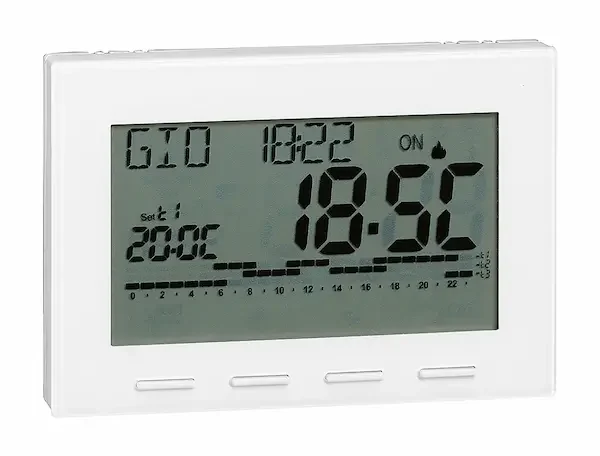
Modern electric radiators can include thermostats, programmable controls, timers, and smart-home integration.
These controls allow users to adjust heating according to occupancy and daily schedules.
For example, a bedroom may require heating mainly in the evening and morning, while a home office may require heating during working hours.
Better control can help avoid unnecessary heating and improve comfort.
Electric radiators generally offer flexible installation compared with traditional water-based systems, but electrical requirements still need to be considered.
The installation should account for:
Electrical installation should always be carried out according to applicable safety requirements by a qualified professional.
Discover More : central heating maintenance
Electric radiators and water-based central heating radiators work differently.
A conventional central heating system generally uses a heat source such as a boiler or heat pump to heat water, which then circulates through radiators or other emitters.
Electric radiators generate heat directly from electricity.
Advantages:
Considerations:
A water-based system can provide heating throughout a property through interconnected radiators or underfloor heating.
It may be particularly suitable for villas and larger residential projects where a complete central heating system is being designed from the beginning.
For properties requiring multiple heating zones, integrating the heating system with appropriate controls can provide better management of different areas.
The efficiency of an electric radiator depends on how it is used, the building’s heat loss, the control system, and the source of the electricity.
Electric resistance heating converts electrical energy into heat at the point of use, but the overall cost of operation depends heavily on the electricity tariff and the amount of heat required.
This is why energy efficiency should not be evaluated based only on the radiator itself.
A more complete evaluation should consider:
Building insulation + heating demand + radiator output + thermostat control + operating schedule + energy price.
Smart thermostats and programmable schedules can help prevent unnecessary heating by reducing operation when rooms are unoccupied.
Radiator sizing is one of the most important steps when selecting a heating solution.
A radiator that is too small may struggle to maintain the desired temperature, while an unnecessarily oversized radiator can increase the initial equipment cost without solving the underlying heat-loss problem.
A professional heating design should calculate the heat requirement for each room.
The calculation can consider:
This approach is particularly important for villas and large properties where several rooms may have different heating requirements.
Electric radiators can be used as independent heating units, but they are not the same as conventional radiators connected to a water-based central heating circuit.
For a complete property, the heating design should be selected according to the building’s requirements and the desired energy source.
A professional central heating systems design can combine different heating technologies depending on the project. In some properties, a water-based system with radiators or an underfloor heating system may provide a more integrated solution.
This is why the best heating solution should be determined during the design stage rather than simply selecting individual radiators.
When comparing the best electric heating radiators, look for features that improve comfort, control, and usability.
Allows the user to maintain a specific temperature and schedule heating operation.
Useful for setting heating periods according to daily routines.
Some modern systems can connect to smart-home platforms, allowing users to control heating remotely.
Better temperature sensing can help maintain a more consistent indoor environment.
Overheating protection and appropriate electrical safety features are important when selecting and installing electric heating equipment.
The radiator should provide an appropriate heat output for the room rather than simply being selected according to its physical size.
Electric radiators can be suitable for specific rooms or properties depending on the heating requirements and electrical infrastructure.
However, villas often require a complete heating strategy because they contain multiple rooms, larger areas, different thermal zones, and varying heat-loss conditions.
For this reason, homeowners may compare electric radiators with complete central heating systems that use radiators, underfloor heating, boilers, heat pumps, or combinations of different technologies.
A professional heating assessment can determine whether individual electric radiators or a centralized solution is more appropriate for the property.
Choosing the right radiator is only one part of an effective heating strategy.
To improve overall performance:
For larger properties, combining proper heating design with zoning and smart controls can provide greater control over different areas of the building.
The best electric heating radiators are not necessarily the most expensive or the most powerful models. The right choice depends on the property’s heating requirements, room size, insulation, electrical infrastructure, desired level of control, and how the heating system will be used.
Electric panel radiators, oil-filled radiators, ceramic radiators, and electric towel radiators can each serve different purposes. However, larger properties such as villas may benefit from evaluating a complete central heating company strategy rather than choosing individual radiators separately.
Before purchasing or installing a heating system, a professional heat-loss assessment can help determine the required heating capacity and the most appropriate technology for the property.
For homeowners planning a complete heating solution, Greenwell provides professional heating system design and installation solutions tailored to residential projects. Contact Greenwell to discuss the right heating solution for your property.
The best option depends on the room size, insulation, required heating output, operating schedule, and desired controls. Electric panel, oil-filled, ceramic, and towel radiators can each be appropriate for different applications.
The operating cost depends on the energy source, electricity tariff, heating demand, property insulation, and system design. A direct cost comparison should consider the complete installation and operating requirements rather than the radiator alone.
The required output should ideally be calculated from the room’s heat loss. Room dimensions, insulation, windows, external walls, ceiling height, and desired indoor temperature can all affect the required heating capacity.
They can be suitable for specific rooms or applications, but villas usually require a complete heating assessment because of their larger size and multiple thermal zones.
Standalone electric radiators generally do not require a gas or water boiler. They generate heat directly using electricity.
Yes. Many modern electric radiators include thermostatic controls, timers, programmable settings, or smart controls.
Oil-filled radiators can provide gradual and consistent heat because the internal thermal fluid retains heat. Their overall operating cost still depends on electricity consumption, room heat loss, and usage patterns.
They are different heating approaches. Electric radiators provide localized heating, while underfloor heating distributes heat across the floor. The appropriate option depends on the property design, installation requirements, heating demand, and project objectives.
They can be used throughout a property if the electrical infrastructure and heating requirements support it. However, a whole-house heating project should be evaluated through a complete heat-loss and system-design assessment.
Improving insulation, using accurate thermostatic controls, programming heating schedules, heating occupied rooms appropriately, and selecting the correct radiator output can help reduce unnecessary energy consumption.