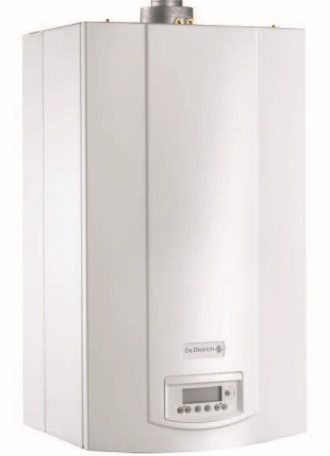
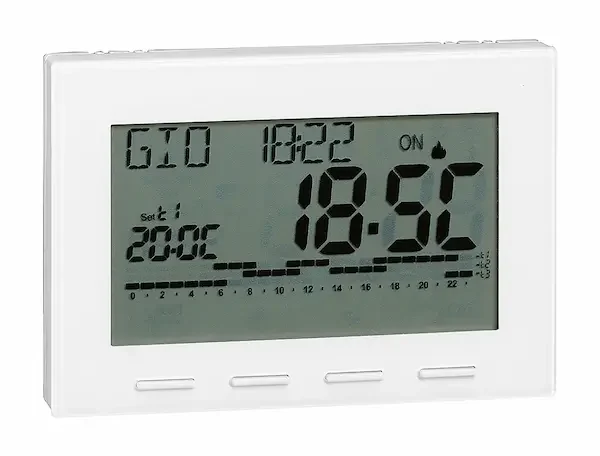
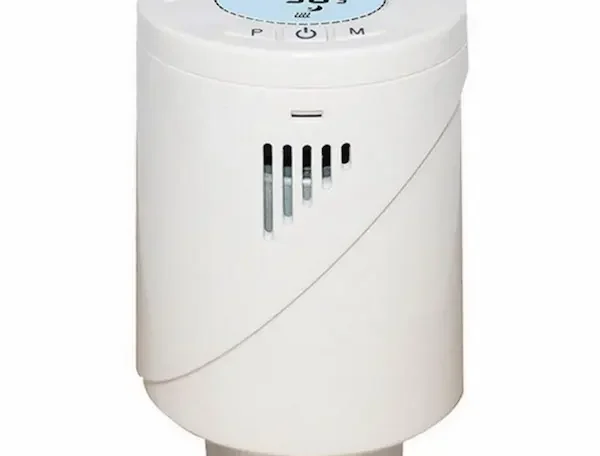
How to Bleed a Radiator: The Ultimate Guide for High-End Egyptian Properties
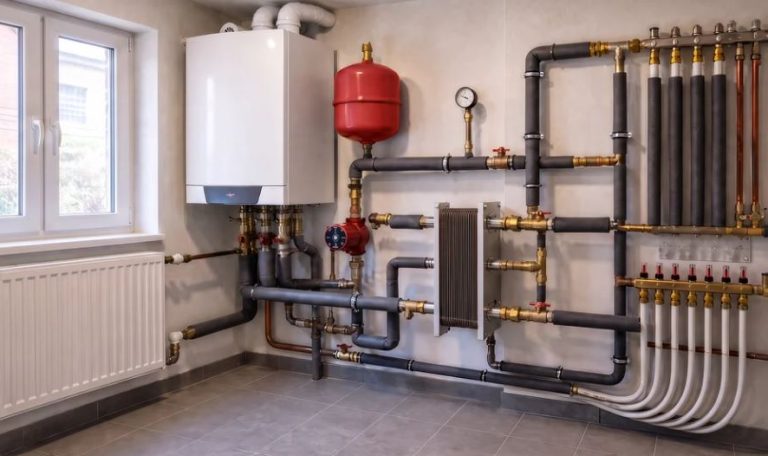
Having a premium central heating system means enjoying uniform, luxury warmth across your villa. However, if you notice your heating isn’t performing optimally, it is often due to trapped air. Learning how to bleed a radiator properly is essential to restoring your system’s efficiency and securing your investment.
Why is my central heating radiator cold at the top? And How to Bleed a Radiator?
This is one of the most common questions homeowners ask during winter. When air gets trapped inside your hydronic heating network, it rises to the highest point of the unit. This air pocket blocks the hot water from circulating fully, leaving the upper section of your heating with radiators completely cold while the bottom is warm.
Knowing how to bleed a radiator solves this issue, as leaving this air trapped causes two major problems:
Wasted Energy: Your boiler or thermal system works twice as hard to reach the desired temperature, driving up utility bills.
System Strain: It accelerates internal corrosion in non-premium piping and components.
Unsure how to bleed a radiator? Contact our experts for a professional system check!
[callaction_btn]
Step-by-Step: How to Bleed a Radiator Safely
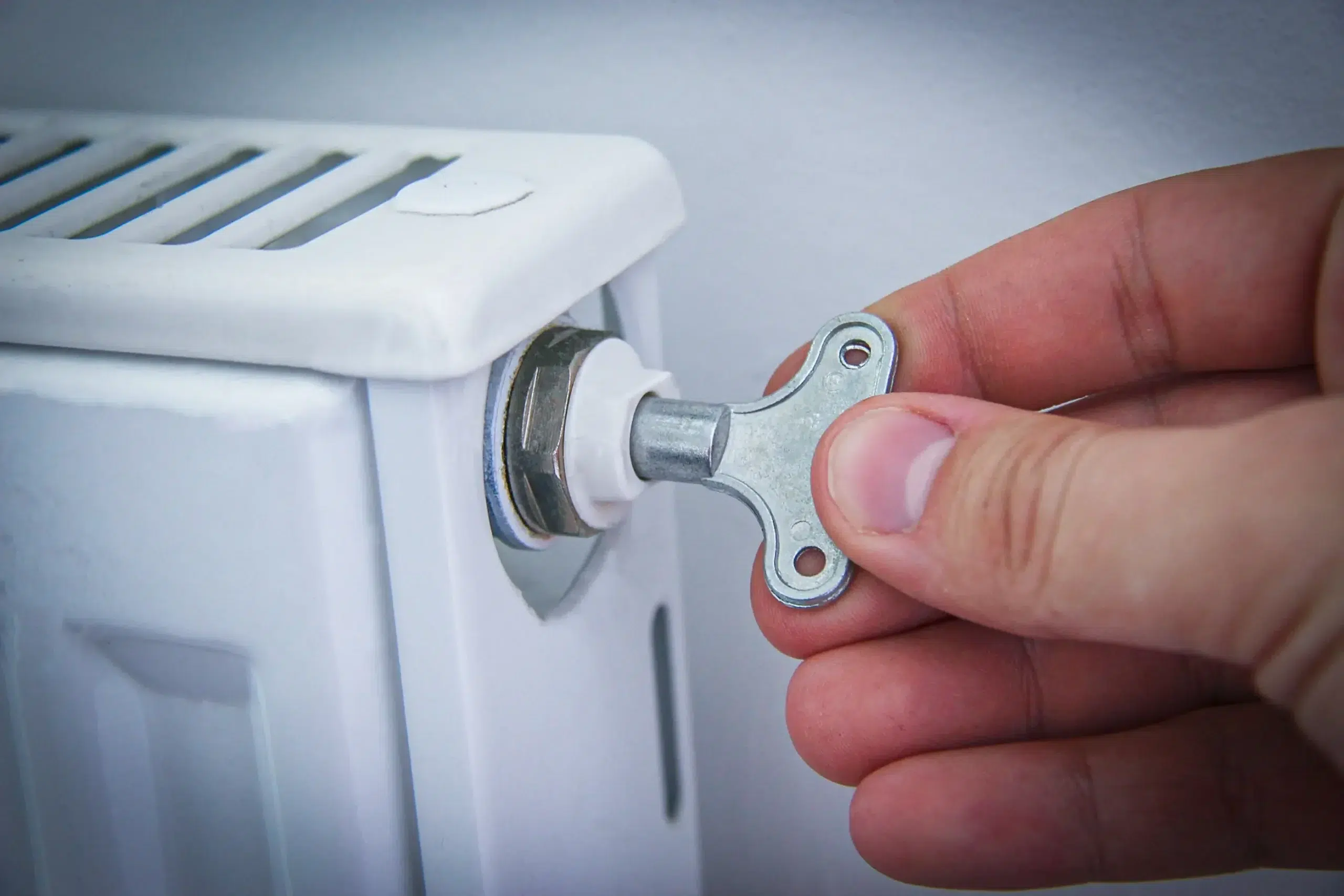
Before you begin the process of how to bleed a radiator, ensure you have a radiator bleeding key in Egypt (usually provided in your Greenwell handover kit, or easily sourced locally) and a small cloth.
Turn Off the Heating: Switch off your central heating system completely and let the radiators cool down. Bleeding a hot system risks scalding water escaping.
Locate the Bleed Valve: This is the small valve located at the top corner of your radiator.
Insert the Radiator Bleeding Key: Insert your specialized radiator bleeding key into the valve groove. Hold a cloth directly underneath it to catch any water drops.
Release the Trapped Air: Slowly turn the key counterclockwise (about a quarter to a half turn). You will hear a distinct hissing sound—this is the core step of how to bleed a radiator to let trapped air escape.
Close Tight Immediately: The moment the hissing stops, and a steady stream of water begins to trickle out, turn the key clockwise to lock the valve tightly.
Common Reasons Behind Cold Radiators & System Inefficiency
If your heating system is underperforming, the issue typically stems from one of these four technical reasons:
Trapped Air (Cold at the Top): Air enters the hydronic network and rises to the top, creating a pocket that blocks hot water. Fix: Easily resolved once you know how to bleed a radiator.
Water Quality & Sludge (Cold at the Bottom): Using untreated or highly saline water in Egypt leads to rust and mineral deposits that settle at the bottom, blocking the flow. Fix: Requires a professional hydraulic flush.
Stuck Pin in the Radiator Valve (Completely Cold): The small metallic pin inside the thermostatic valve can get stuck in the “closed” position after a long summer of inactivity. Fix: Needs a quick mechanical release.
Improper Hydraulic Balancing (Rooms Far from the Boiler are Cold): If the pump pressure or manifold flow rates aren’t calibrated correctly, hot water fails to reach the furthest rooms in large villas. Fix: Requires professional engineering balancing.
Where can I find a radiator bleeding key in Egypt?
If you are asking how to bleed a radiator? You can buy a specialized radiator bleeding key in Egypt at local hardware stores or plumbing suppliers. If you need it immediately, just use a standard flat-head screwdriver—most modern European radiator valves have a central slot designed to fit one perfectly.
What Next? Checking Your System Pressure
Bleeding releases air, which drops system pressure, so knowing what to do afterward is a key part of how to bleed a radiator. Check your boiler gauge; for luxury Egyptian villas, it must sit between 1.5 and 2.0 bar—if it drops lower, a quick top-up is needed.
Pro Tip for Greenwell Clients: Frequent trapped air or sudden pressure drops usually point to hydraulic imbalances or pipe leaks. Contact our thermal engineering team for a quick system diagnostic.
What Else Can You Fix Alone? (6 Expert Tips)
While complex thermal engineering requires expert technicians, there are a few simple maintenance tweaks you can handle safely on your own to avoid calling for radiators repairs near me near me:
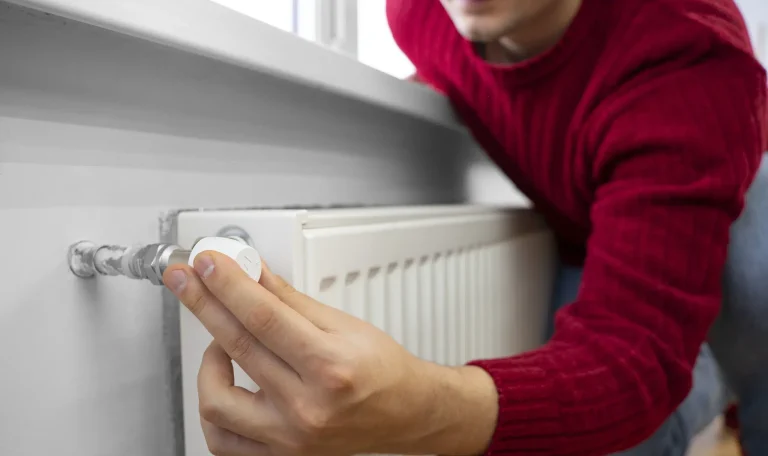
Unsticking a TRV Valve Pin: If a radiator stays cold after summer, the pin inside the thermostatic valve is likely stuck shut. Remove the plastic knob and gently tap the exposed metallic pin with a wrench until it springs back.
Clearing Valve Obstructions: Ensure radiator valves aren’t blocked by curtains or furniture, which trap heat around the sensor and trick the valve into shutting down early.
Spotting Rust & Sludge Early: Small rust spots signal internal decay. For long-term protection, ask a professional to install magnetic filters to trap chemical sludge before it requires deep hydraulic balancing.
Insulating Exposed Pipes: For properties in cooler or coastal areas like Zayed or the North Coast, always insulate exposed piping to prevent thermal loss or frozen pipes.
Mastered how to bleed a radiator but still have cold spots? Schedule a hydraulic flush today.
[callaction_btn]
FAQ: Quick Answers for How to Bleed a Radiator for Homeowners in Egypt
Where can I find a radiator bleeding key in Egypt?
You can buy a specialized radiator bleeding key in Egypt at local hardware stores or plumbing suppliers. If you need it immediately, just use a standard flat-head screwdriver—most modern European radiator valves have a central slot designed to fit one perfectly.
Why is my radiator cold at the bottom but hot at the top?
This indicates a build-up of rust and chemical sludge due to untreated water. Bleeding won’t help here; your system requires a professional hydraulic flush.
How often should I bleed my radiators?
Once a year, ideally at the start of winter before turning the system on for the season, or whenever you notice cold spots at the top.
Why is my radiator clicking or making a banging noise?
This is caused by trapped air expanding and moving through the pipes. Bleeding the radiator immediately eliminates the noise and restores silent operation.
What should my central heating pressure gauge read?
For luxury residential systems in Egypt, the ideal hydraulic pressure should sit between 1.5 and 2.0 bar on your main control panel.
"Great experience overall. The installation took a bit longer than expected, but the results were worth it. The technicians were respectful and cleaned up after themselves. I would use them again."
Sahar Ramy
(5/5)
5-8-2023
"We had an issue with our old boiler and called this company based on a friend’s recommendation. They responded quickly, explained everything clearly, and fixed the problem the same day. Excellent customer service!"