When planning the thermal climate of a modern home, choosing the wrong utility can drastically affect your seasonal energy expenditure. The debate over is electric heating cheaper than gas is one of the most critical financial decisions property owners face.
The short answer is no. On a per-unit basis (cost per kWh), natural gas is significantly cheaper than electricity. However, the “true cost” depends entirely on the specific types of heating systems you install, your property’s size, and whether you are evaluating upfront installation costs or long-term monthly running bills.
To understand the baseline financial disparity before looking at specific equipment, let’s look at how the raw energy costs and system lifespans compare:
| Factor | Natural Gas Heating | Electric Heating |
| Running Cost (per kWh) | Cheaper (~6p – 7p / kWh) | Expensive (~24p – 25p / kWh) |
| Efficiency at Point of Use | 90% – 92% (Boilers lose some heat) | 100% Efficient (No energy wasted) |
| Upfront Installation Cost | High (Requires central plant & pipes) | Low to Moderate (Plug and play or local units) |
| Lifespan & Maintenance | 12-15 years + Annual servicing required | 20+ years + Almost zero maintenance |
Stop guessing if is electric heating cheaper than gas for your villa. Contact Greenwell now for a customized energy-efficiency consultation and find your perfect heating solution!
[callaction_btn]When evaluating whether is electric heating cheaper than gas for monthly utility bills, natural gas remains the uncontested winner for whole-house heating. Raw electricity tariffs cost roughly 4 times more per kWh than natural gas.
Even though modern condensing gas boilers experience minor thermal losses (operating at around 92% efficiency due to exhaust flues), the massive baseline price gap completely neutralizes this disadvantage. For mid-to-large-sized properties with high daily heating demands, relying exclusively on standard electric elements will cause winter utility bills to skyrocket. That is why Greenwell‘s engineering team focuses on designing advanced, balanced systems that maximize fuel efficiency and protect property owners from high seasonal running costs.
To get an accurate answer to is electric heating cheaper than gas, we must break down the different types of heating systems used in modern residential and commercial properties. How the energy is delivered changes the financial math completely.
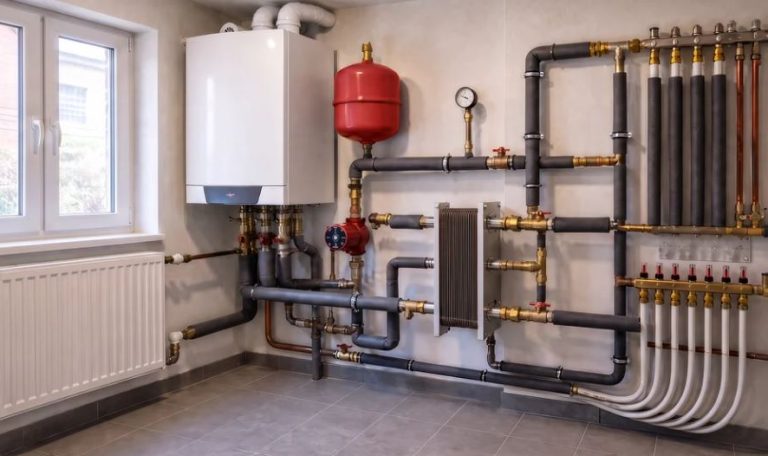
This system circulates hot water through a network of pipes to wall-mounted radiators or underfloor loops.
Underfloor heating provides luxurious, uniform warmth from the ground up, but the underlying technology dictates the bill.
While standard electric choices have higher running costs, electricity offers clear financial and operational advantages in specific architectural scenarios:
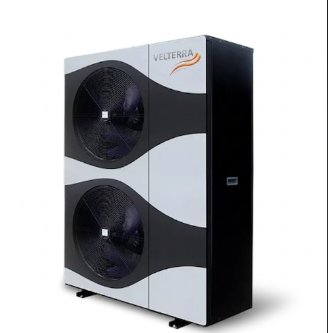
The calculation of “is electric heating cheaper than gas?” changes completely when switching from standard electric elements to advanced heat pumps. By absorbing outdoor ambient energy rather than generating heat from pure resistance, a high-performance heat pump achieves a Coefficient of Performance (COP) of 3.5 or higher. When paired with a home solar panel array, this advanced system allows electricity to match or even beat natural gas running costs, creating a highly efficient climate network.
Still wondering “is electric heating cheaper than gas” for your specific property layout? Let our engineers run the numbers! Book your technical site assessment with Greenwell today.
[callaction_btn]Yes. Turning on a local electric heater for one small room is cheaper than running a whole-house gas central system.
A gas-powered central hydronic system offers the lowest running bills, followed by an electric heat pump paired with solar panels.
Because electricity unit tariffs (per kWh) are roughly 4 times higher than natural gas, they completely offset its perfect efficiency.
Yes, but it will result in significantly higher monthly winter bills compared to a natural gas boiler.
No. Electric floor mats are cheaper to install but drastically more expensive to run continuously over large areas.