An Inverter Pool Heat Pump is an advanced, energy-efficient solution for maintaining comfortable swimming pool water temperatures while extending the swimming season and optimizing energy consumption. Unlike conventional pool heaters that operate at a fixed output, inverter technology automatically adjusts compressor speed to match the pool’s actual heating demand, helping maintain stable water temperatures, improve operating efficiency, and reduce unnecessary energy use.
Whether you own a residential swimming pool or manage a commercial facility, choosing the right heating system is essential for long-term performance, comfort, and cost efficiency. Working with an experienced central heating company can help you select the appropriate heat pump capacity, ensure proper system installation, and achieve reliable heating performance. Discover how inverter technology works, which factors affect heating efficiency, and how to choose the right pool heat pump for your specific requirements.
An Inverter Pool Heat Pump uses electricity to transfer heat from outdoor air into swimming pool water. Rather than generating heat directly through electrical resistance, it uses a refrigeration cycle to collect available thermal energy and transfer it to the pool.
The system typically includes an outdoor air heat exchanger, a compressor, a refrigerant circuit, a water heat exchanger, and a control system.
Inverter technology enables the compressor to operate at variable speeds. When the pool requires substantial heating, the unit can increase its output. Once the desired water temperature is approached, it can reduce its operating speed to maintain the temperature more steadily.
This variable operation can improve energy efficiency under suitable conditions, although actual performance depends on air temperature, water temperature, pool size, insulation, and the selected equipment.
Read More : Heating and cooling with a heat pump
An inverter pool heating system transfers thermal energy through several stages.
This cycle repeats as needed to maintain the pool’s target temperature. A properly selected Inverter Pool Heat Pump can therefore provide controlled heating without continuously operating at maximum capacity.
Learn More: heat pump repair
A heat pump transfers heat rather than producing all of it directly from electricity. Inverter technology can further improve efficiency by adjusting output to match demand and reducing unnecessary full-power operation.
The actual energy savings depend on the model, weather, pool conditions, and operating schedule. Compare manufacturers’ performance data at similar air and water temperatures before making a decision.
Variable-speed operation helps the unit adjust its heating output as the pool approaches the target temperature. This can support more consistent water temperatures and reduce unnecessary fluctuations.
When heating demand is lower, an inverter unit may operate at reduced compressor and fan speeds. This can reduce operating noise compared with some fixed-speed systems, depending on the model and installation.
Pool heating can make swimming more comfortable during cooler periods. The achievable season depends on local weather, the desired water temperature, pool exposure, and the heating capacity of the selected unit.
An inverter system can adjust its output as heating requirements change. This flexibility is useful when pool temperature, outdoor conditions, and daily usage patterns vary.
Read More : Heating and Cooling with a Heat Pump
Choosing the right heating capacity is essential for efficient performance. Swimming Pool Heat Pump Sizing depends on several factors, not just the pool’s water volume.
Pool volume is a key starting point because a larger body of water generally requires more energy to reach a given temperature. Calculate the pool’s volume using its dimensions and shape.
For a rectangular pool:
Pool volume = Length × Width × Average depth
If measurements are in metres, the result is in cubic metres. One cubic metre of water equals 1,000 litres.
For irregularly shaped pools, divide the pool into simpler sections and calculate each section separately.
The difference between the current water temperature and the target temperature affects the amount of heat required. A higher target temperature generally increases both initial heating demand and ongoing heat loss.
Pool heat pumps draw thermal energy from outdoor air. Their heating capacity and efficiency vary with ambient temperature, so the manufacturer’s performance data should be checked for the expected operating conditions.
Heat is lost from the pool surface through evaporation, convection, and radiation. A pool with a large exposed surface may lose substantial heat even if its water volume is relatively modest.
A suitable pool cover can significantly reduce evaporative heat loss when the pool is not in use. This can reduce heating demand and help the selected heat pump maintain the desired temperature more efficiently.
Wind increases heat loss from an uncovered pool. Outdoor exposure, surrounding structures, local climate, and seasonal temperature variations should therefore be considered during system selection.
Discover More : swimming pool heat pump inverter
Choosing the right Swimming Pool Heat Pump size is essential for achieving efficient heating, maintaining a consistent water temperature, and avoiding unnecessary energy costs. An undersized unit may struggle to reach the desired temperature, while an oversized system can increase the initial investment without providing meaningful additional benefits. The ideal capacity depends on your pool volume, target water temperature, local climate, heat loss, and expected operating hours.
Before selecting a swimming pool heat pump, consider these essential factors:
Ultimately, accurate swimming pool heat pump sizing requires more than calculating water volume. It involves evaluating the pool’s total heat loss, expected weather conditions, and the equipment’s actual heating output. Consulting an experienced pool heating specialist can help you select the right capacity, improve energy efficiency, and ensure reliable performance throughout the swimming season.
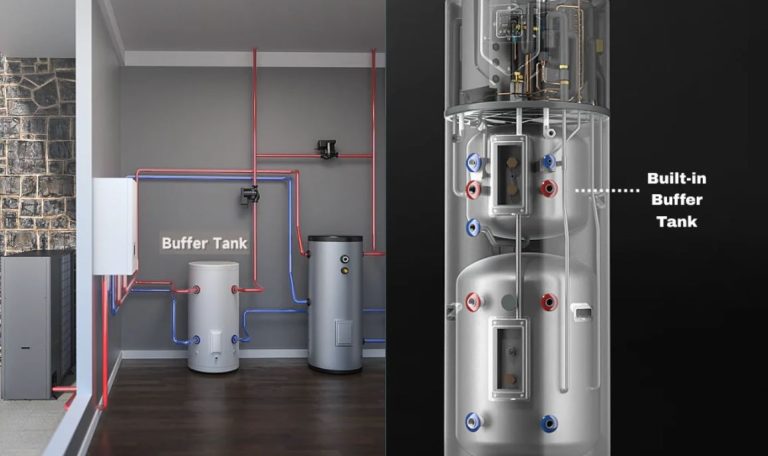
Read More : Heat Pump Buffer Tank Sizing
Traditional electric resistance heaters convert electrical energy directly into heat. They can heat water quickly in some applications, but their direct electrical consumption can be substantially higher than that of a suitably selected heat pump.
Gas pool heaters generate heat through fuel combustion and can provide high heating output, but their operating costs depend on fuel prices and system efficiency.
An inverter pool heat pump transfers heat from the surrounding air and adjusts its output to suit demand. It may offer lower operating costs under favourable conditions, but the best choice depends on the required heat-up time, local energy prices, climate, and installation requirements.
When comparing options, evaluate the total cost of ownership, including purchase price, installation, energy use, maintenance, and expected operating hours.
Correct installation helps the heating system operate as intended.
An Inverter Pool Heat Pump should be installed and serviced according to the manufacturer’s instructions. Refrigerant-system repairs and electrical work should be handled by qualified professionals.
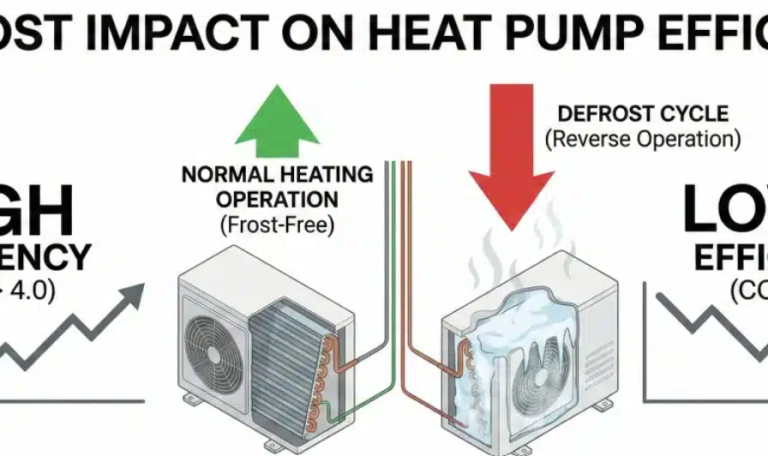
Read More : Heat Pump Defrost Cycle
Since 2010, Greenwell has been providing heating solutions for residential and commercial projects. Choosing suitable pool heating equipment and ensuring correct installation can help maintain comfortable water temperatures while supporting efficient system operation.
Contact Us to discuss your swimming pool heating requirements and explore a solution tailored to your project.
It can be highly efficient because it transfers heat from outdoor air rather than relying solely on direct electrical heating. Inverter controls can improve performance by adjusting compressor speed to match demand. Actual efficiency depends on weather, pool conditions, and the model selected.
Heating time depends on pool volume, the initial and target water temperatures, the heat pump’s available output, outdoor conditions, and heat loss. A pool cover can help reduce heat loss and support faster temperature maintenance.
Choosing the correct capacity helps the system meet the pool’s heating demand under expected operating conditions. An undersized unit may take longer to heat the pool, while an unnecessarily large unit may increase upfront costs. Professional assessment helps establish an appropriate capacity.