Related Articles

An air-source heat pump provides efficient heating by extracting heat from outdoor air and transferring it indoors. However, when temperatures drop and humidity levels rise, frost can accumulate on the outdoor coil, reducing heat transfer and affecting system performance. The Heat Pump Defrost Cycle automatically removes this frost, helping maintain heating efficiency, reliable operation, and consistent indoor comfort.
Understanding how the Heat Pump Defrost Cycle works helps homeowners and building managers distinguish normal operation from potential system issues and make informed maintenance decisions. Whether you’re installing a new heating system or looking for expert guidance from a professional central heating company, knowing when defrosting is necessary can help protect equipment performance and support long-term system efficiency. Defrost frequency and duration vary depending on outdoor temperature, humidity, system design, and the unit’s control settings.
A Heat Pump Defrost Cycle is an automatic process that removes frost from the outdoor heat exchanger. During heating, the outdoor coil can become colder than the surrounding air. When humid air passes over the coil, moisture may condense and freeze on its surface.
A thin layer of frost can be normal. However, excessive buildup restricts airflow and reduces heat transfer, making it harder for the heat pump to collect energy from the outdoor air. The Heat Pump Defrost Cycle temporarily changes the unit’s operation to warm the outdoor coil and melt the accumulated frost.
Read More : Heating and cooling with a heat pump
The exact sequence varies by model, but many air-source heat pumps use a reverse-cycle defrost method.
During a Heat Pump Defrost Cycle, the outdoor fan may stop, steam may appear around the outdoor unit, and the system may make a different sound than usual. These can be normal signs of the defrost process rather than evidence of a fault.
Learn More: heat pump repair
Frost acts as an insulating layer and blocks airflow through the outdoor coil. The Heat Pump Defrost Cycle removes this buildup so the heat exchanger can continue transferring heat from outdoor air.
If frost accumulates excessively, the heat pump may struggle to deliver its expected heating output. A properly functioning Heat Pump Defrost Cycle helps the system return to normal operation when defrosting is necessary.
Persistent ice can restrict airflow and place additional demands on the system. Automatic defrost controls help manage frost under suitable operating conditions, although they do not replace routine inspection and maintenance.
Defrosting temporarily affects the unit’s heating operation. The control system aims to remove frost when needed without performing unnecessary defrost cycles, helping balance comfort and performance.
Read More : Heating and Cooling with a Heat Pump
Frost formation depends on both outdoor temperature and moisture in the air. It is often more noticeable when the air is cold and humid, particularly when the outdoor coil surface is below freezing.
Common contributing factors include:
Some frost is expected in suitable weather. A unit covered in thick ice that does not clear, however, may need professional inspection.
Discover More : swimming pool heat pump inverter
There is no universal interval for a Heat Pump Defrost Cycle. The system’s controls determine when defrosting is required, based on the model’s design and operating conditions.
In cold, damp weather, defrosting may happen more frequently. In dry conditions or when temperatures are milder, it may happen less often or not at all for extended periods.
Rather than judging performance by a fixed number of cycles, observe whether the unit clears frost and returns to normal heating. Always compare its behaviour with the manufacturer’s guidance for your specific model.
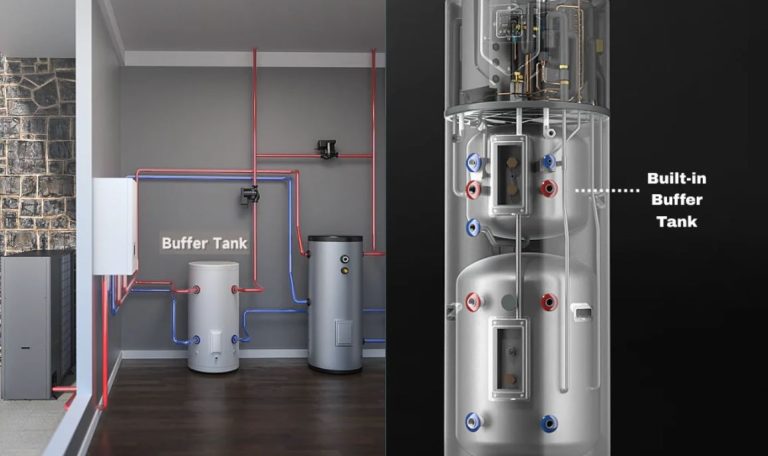
Read More : Heat Pump Buffer Tank Sizing
A Heat Pump Defrost Cycle that does not operate correctly can contribute to persistent ice buildup and reduced heating performance. Signs to watch for include:
These symptoms may indicate underlying issues such as restricted airflow, blocked drainage, faulty sensors, or refrigerant-system problems. Whether you operate a residential heating system or a Swimming pool Heat pump, persistent ice buildup should never be ignored, as it can reduce efficiency and affect overall system performance. Avoid removing ice with sharp tools or pouring hot water over the unit, as this may damage sensitive components. Instead, follow the manufacturer’s recommendations and contact a qualified heat pump technician to diagnose the problem, restore proper operation, and prevent further equipment damage.
Leave the clearances recommended by the manufacturer around the unit. Remove loose leaves and debris from the surrounding area, and ensure snow does not block the air inlet or outlet.
Meltwater should be able to drain away from the outdoor unit. Poor drainage can allow water to refreeze and create additional ice around the base.
A qualified technician can inspect the coil, fans, sensors, refrigerant circuit, and control settings. Regular maintenance helps identify issues that may affect the Heat Pump Defrost Cycle before they lead to extended performance problems.
Defrost behaviour differs among models. Use the manufacturer’s operating and maintenance instructions rather than changing settings without professional advice.
Since 2010, Greenwell has been providing heating solutions for residential and commercial projects. Correct system design, suitable installation, and regular maintenance all contribute to reliable heat pump performance throughout the heating season.
Contact Us to discuss your heating requirements and explore a solution tailored to your property.
Yes. As frost melts from the warm outdoor coil, water vapour may appear like steam. This is often normal, particularly in cold weather, provided the unit returns to heating and no other warning signs are present.
Defrosting requires energy and temporarily changes normal heating operation. However, removing frost helps restore airflow and heat transfer. The overall effect depends on weather, system design, and how efficiently the controls manage defrosting.
A light amount of frost may form again in cold, humid weather. Thick ice that remains or continues to build up may indicate restricted airflow, poor drainage, sensor issues, or another fault that needs professional assessment.