How to Install Central Heating for 95% Efficiency: Pro Tips & Setup Instructions from Greenwell
Installing a new central heating system is one of the most significant investments in your property, directly influencing its energy efficiency, safety, and long-term comfort. Simply knowing how to install central heating is not enough; true expertise lies in ensuring the system achieves its peak performance. This definitive guide from Greenwell provides you with the essential central heating setup instructions and insights required to transform your property into a model of energy efficiency. We will detail the professional steps, safety checks, and professional tips for installing central heating in residential buildings that guarantee longevity and minimize future costs.
Defining Central Heating: Understanding How to Install Central Heating Effectively
A central heating system is an integrated network designed to distribute controlled warmth from a single primary heat source (the boiler) to various points (radiators) throughout a building. Its core function, beyond heating, is to maintain a consistent, energy-efficient temperature across the entire property. This guide breaks down how to install central heating following the highest standards.
Don’t Compromise on Comfort or Cost! Ready to master how to install central heating with guaranteed efficiency? Contact Greenwell today for expert professional tips for installing central heating in residential buildings and book your site assessment! Contact us on WhatsApp or call us at 01146787877
Understanding Your Options: The Central Heating System Types
Selecting the right boiler type is the initial and most critical choice, influencing the overall central heating setup instructions and system efficiency.
Combination (Combi) Boiler:
Mechanism: Heats water instantly and directly from the mains, eliminating the need for separate tanks.
Advantage: Space-saving and highly energy-efficient for small-to-medium homes.
Conventional (Regular) Boiler:
Mechanism: Requires both a hot water cylinder and a cold water storage tank (often in the loft).
Advantage: Ideal for large homes with high hot water demands or multiple bathrooms that require simultaneous use.
system Boiler:
Mechanism: Requires a hot water cylinder but draws water directly from the mains, eliminating the cold water tank.
Advantage: Excellent for large homes needing a constant supply of hot water, combining efficiency with high output.
Before how to install central heating : What Makes Up a Central Heating System?
To understand how to install central heating, one must know its core elements:
The Boiler: The heart of the system, responsible for heating the water.
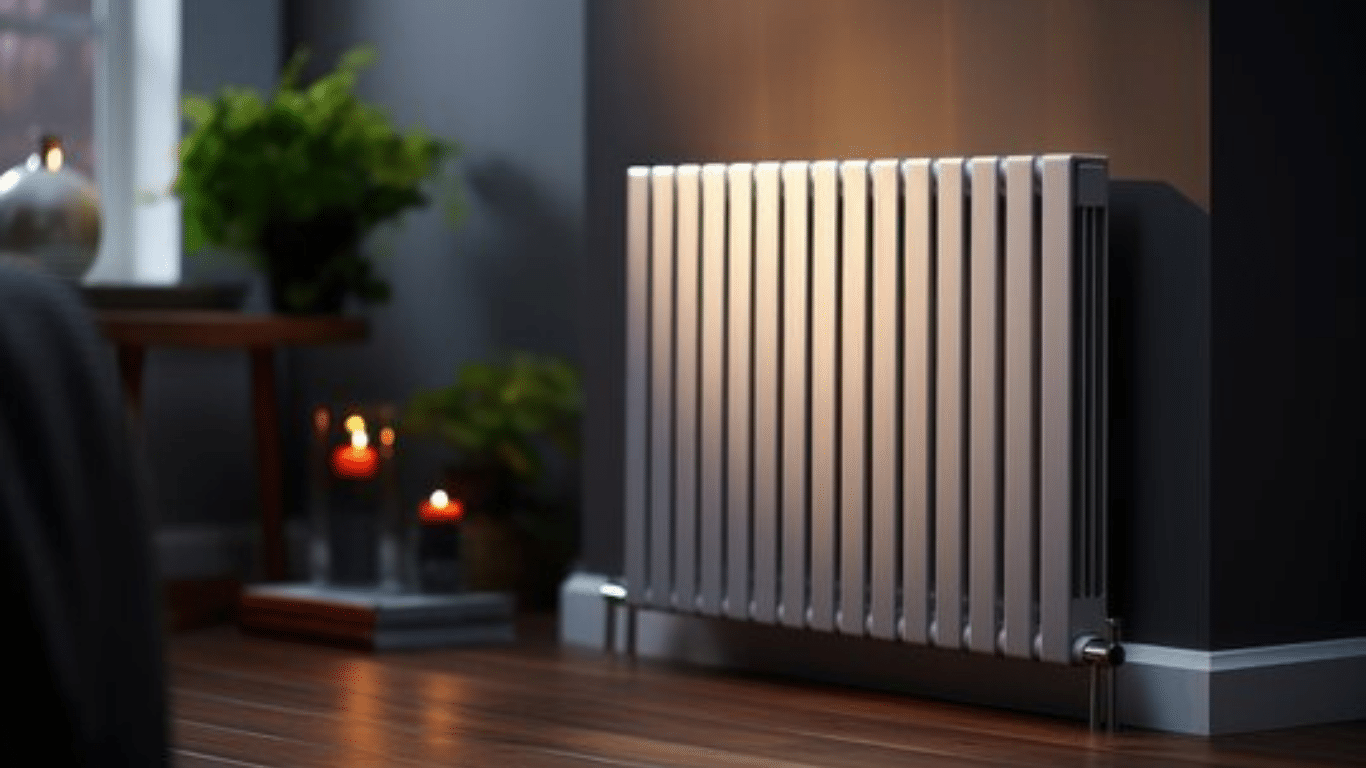
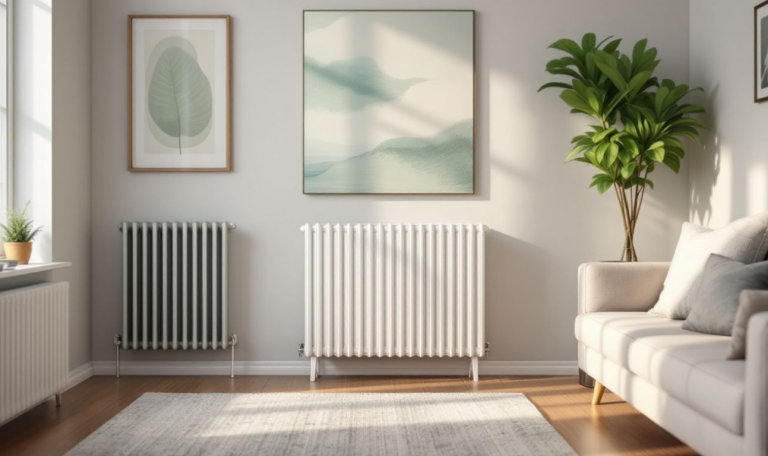
Radiators and Thermostatic Radiator Valves (TRVs): The heat emitters, with TRVs allowing individual room temperature control.
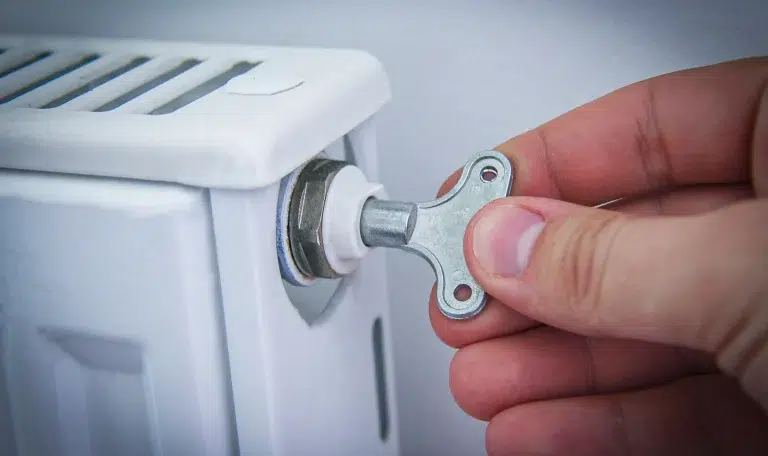
Pipework: The arteries that transport hot water from the boiler to the radiators.
Thermostat & Controls: The brain of the system, managing the boiler’s firing schedule.
System Extras (Inhibitor/Filter): Chemicals and magnetic filters added to protect the system from sludge and corrosion, a vital step in longevity.
Critical Planning before how to install central heating
Insulation First:
Emphasize that even the best boiler will not operate efficiently if the home’s walls and attic are not properly insulated.
Pipe Route Clearance:
Ensure any obstacles are removed from the walls or floors where pipes are expected to run, which significantly reduces installation time.
Boiler Area Preparation:
Guarantee sufficient space around the boiler’s location to facilitate the technicians’ work during installation and future maintenance.
Sizing Your Boiler:
The most significant error is incorrect sizing. Greenwell performs a rigorous KW calculation for every room, factoring in insulation and window area, ensuring the boiler capacity perfectly matches the property’s thermal demands—a key step in understanding how to install central heating correctly.
The Power of Zoning:
Professional Tips for Installing Central Heating in Residential BuildingsModern installation incorporates Zoning, allowing the property to be divided into distinct heating areas. This is one of the top professional tips for installing central heating in residential buildings, as it significantly cuts energy costs by heating only occupied areas.
how to install central heating? Expert Central Heating Setup Instructions
Initial Planning and Load Calculation
Accurate kW Calculation: the first step of how to install central heating, is Conducting a precise Kilowatt (kW) calculation for every room to determine the exact capacity needed for the boiler and radiators. This ensures efficiency and prevents energy waste.
Designing the Zoning System: Divide the building into separate thermal zones (e.g., living area, sleeping area). This allows for independent temperature control, optimizing energy savings.
Boiler Type Selection: Determine the optimal boiler type (Combi, System, or Conventional) based on the house size and simultaneous hot water consumption needs.
Core Installation Procedures
Boiler Placement and Flue Safety: Install the boiler in a location that allows for easy maintenance and ventilation. Ensure the flue (exhaust) fully complies with all local and environmental safety standards to prevent carbon monoxide risk.
Pipework Routing: Use high-quality materials (PEX or copper piping) and lay them in a deliberate path with a slight inclination to facilitate system venting and prevent air pockets (airlocks).
Radiator Installation: Strategically position radiators (typically under windows) to counteract cold air currents and enhance warm air circulation.
Technical Adjustments for Efficiency and Safety
Hydraulic Balancing: A crucial professional step where Thermostatic Radiator Valves (TRVs) are precisely adjusted. This ensures that an equal volume of hot water reaches every radiator, preventing some rooms from overheating while others remain cold.
System Pressure Testing: Before system commissioning, the pipework is subjected to high pressure to confirm that every concealed joint and connection is perfectly sealed, eliminating the risk of future leaks.
Expansion Vessel Installation: Install and correctly charge the Expansion Vessel. This component absorbs the expansion of water volume as it heats up, protecting the entire system from dangerous over-pressurization.
System Integration and Commissioning
Adding Corrosion Inhibitor: Specialized chemical inhibitors are added to the system water to protect the pipes and internal boiler components from rust and corrosion (sludge buildup).
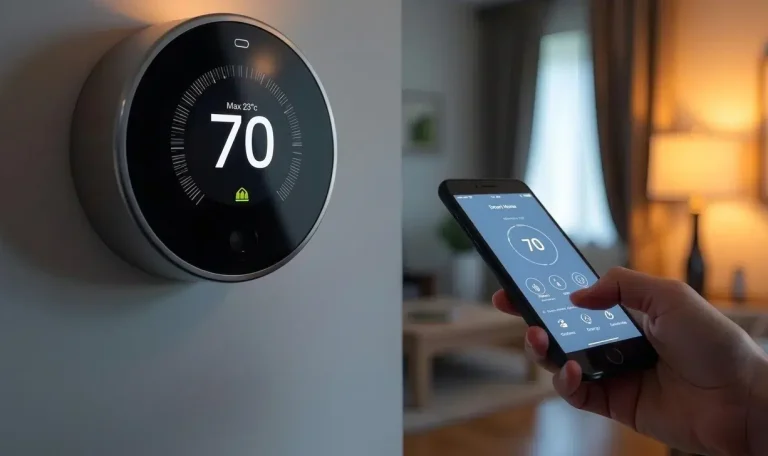
Smart Control Integration: Connect smart thermostats and programmable valves to the home network, enabling features like Geofencing and scheduling to maximize energy savings.
Handover and Comprehensive Testing: Fully commission the system, confirm that every radiator is heating correctly, and provide the client with a detailed walkthrough of system operation and annual maintenance requirements.
after applying how to install central heating Ensure System Longevity
Greenwell emphasizes annual Maintenance to check gas tightness, clean the heat exchanger, and verify component integrity. Essential chemical maintenance involves Power Flushing (clearing sludge) and adding Chemical Inhibitor to protect against corrosion, safeguarding the efficiency of the installation.
Integration with Smart Home Controls
Integration with smart control technology is essential for future-proofing your home.
Function: Smart thermostats (e.g., Nest, Hive) connect the heating system to Wi-Fi, allowing remote control via mobile apps.
Advantage: Enables Geofencing (adjusting temperature based on your proximity to home) and Learning Algorithms that optimize the boiler schedule, contributing significantly to energy savings—an advanced step in central heating setup instructions.
The Challenges: Overcoming Obstacles in Central Heating Installation
Structural Complications: Installation in older buildings often involves complex pipe routing and dealing with existing structures.
Sizing Complexity: Accurately calculating BTU requirements for poorly insulated or unusually shaped homes demands specialized software and expertise.
Regulatory Compliance: Adhering to constantly updated gas and building regulations requires certified professional oversight.
Common Installation Mistakes and How to Avoid Them
Mistakes lead to chronic inefficiency and safety risks, which is why professionals are essential when learning how to install central heating.
Incorrect Sizing.
Poor Thermostat Placement: Placing the thermostat near a direct heat source (e.g., a sunny window or another radiator) leads to inaccurate readings and premature boiler shutdown.
Neglecting System Water Quality: Failing to Power Flush the system or add Inhibitor leads to internal corrosion, sludge build-up, and premature boiler failure.
Installation Cost and Factors Affecting Price
The overall cost of a central heating installation is highly variable, depending on several key factors that influence the complexity and materials required.
Key Cost Factors:
System Choice: Boiler type (Combi boilers typically require less pipework but may have a higher initial unit cost compared to Conventional models).
Project Scale: The number of heat emitters (radiators) required to heat the entire property.
Structural Complexity: The difficulty of pipe routing (e.g., retrofitting pipework in existing walls, routing through basements or lofts).
Technology Integration: The inclusion of advanced controls like smart thermostats and zoning valves.
Material Quality: The choice between standard and high-efficiency, premium European-made components.
Greenwell: Your expert guide on how to install central heating
Choosing Greenwell means partnering with certified experts who go beyond basic how to install central heating instructions. We specialize in optimizing efficiency, safety, and longevity. Our commitment is backed by certified engineers who provide the most reliable professional tips for installing central heating in residential buildings, ensuring your system is future-proofed and highly effective from day one.
Ready to know about how to install central heating with high-efficiency? Contact Greenwell today to schedule a professional assessment and receive personalized central heating setup instructions for your home! Contact us on WhatsApp or call us at 01146787877
FAQs about how to install central heating
How long does a full installation take?
typically, 4 to 8 days, depending on the house size and complexity of pipework routing.
Can I install a smart thermostat myself?
While controls can be DIY, integrating them properly into the boiler wiring (a part of central heating setup instructions) should be done by a certified engineer.
How often should I service my boiler?
Annually, to maintain safety and uphold the manufacturer’s warranty.
"Great experience overall. The installation took a bit longer than expected, but the results were worth it. The technicians were respectful and cleaned up after themselves. I would use them again."
Sahar Ramy
(5/5)
5-8-2023
"We had an issue with our old boiler and called this company based on a friend’s recommendation. They responded quickly, explained everything clearly, and fixed the problem the same day. Excellent customer service!"