Related Articles
When building or renovating your New Cairo home, the underfloor heating system will not only provide heat but will also do so without exposing piping.
A hydronic underfloor heating system will provide warmth to your entire space evenly at a lower cost than running split units, while also creating an uninterrupted interior by having no visible pipes through the floor. Whether you are in Katameya Heights or Mivida, installing an underfloor heating pipe is your best investment for long-term savings and comfort.
Greenwell is the Fifth Settlement’s specialist for underfloor heating systems. You should know these things before making any decisions.
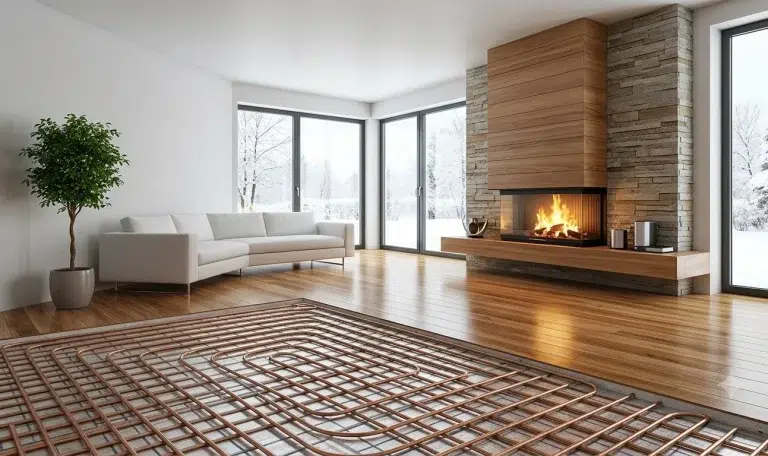
An underfloor heating pipe system works by circulating hot water through flexible tubing beneath the floor, turning the entire surface into a silent, even heat source. Unlike radiators that heat air from a single point, this system radiates warmth upward, creating a consistently comfortable environment throughout the entire room.
There are two primary types: hydronic (water-based) and electric (cable or mat). For Egyptian homes, especially villas and apartments in the Fifth Settlement, the hydronic underfloor heating system is almost always the right choice.
In the Egyptian market, two types of pipes dominate. While PEX pipes offer flexibility and ease of installation, multi-layer composite pipes (PEX/Al/PEX or PERT/Al/PERT) are the superior choice.
The integrated aluminum layer acts as an oxygen barrier, which is critical for preventing internal corrosion in the boiler and manifold—a common issue given local water conditions. For any hydronic underfloor heating system in Cairo, a multi-layer composite pipe is the recommended specification for long-term durability.
Ready to find out what underfloor heating pipe installation costs for your home in New Cairo? Greenwell offers a free site survey and full price breakdown, no obligation, no hidden fees.
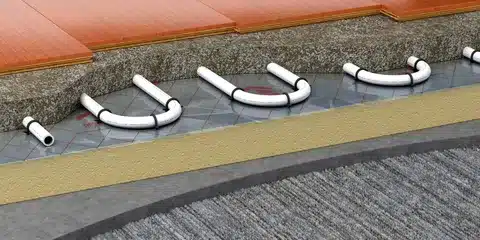
Egypt’s winter is often underestimated. Temperatures in Cairo drop sharply at night, marble floors feel cold underfoot even at 15°C, and most homes have minimal insulation. The underfloor heating pipe system addresses all of this in one solution.
Hydronic systems operate at 35–45°C, significantly lower than the 70–80°C required by radiators. This allows the boiler to work more efficiently, while the floor’s thermal mass retains heat long after the system cycles off. Consequently, a well-designed hydronic underfloor heating system typically reduces gas bills by 20–35% compared to traditional radiators.
Split units and fan coils constantly circulate air, stirring dust and allergens. An underfloor heating pipe system produces zero air movement — heat rises silently and cleanly from the floor. No noise, no drafts, no dry air. For families with children or anyone with respiratory sensitivities, this is a significant advantage.
No radiators on walls. No fan coil units to design furniture around. The underfloor heating pipe sits entirely beneath the floor, invisible, silent, and completely freeing your interior design. This is why architects working on premium compounds in New Cairo increasingly specify underfloor heating as their default.
Marble and porcelain tiles are the ideal pairing — dense, thermally conductive, and widely used across Egyptian interiors. Ceramic tiles work equally well. Engineered wood and parquet are compatible, provided the system runs at lower flow temperatures (under 40°C). Solid wood is not recommended.
Before any pipe is laid, an engineer calculates the heating demand of each room, factoring in dimensions, ceiling height, windows, and insulation. This determines pipe spacing, circuit lengths, and flow temperatures per zone. Skipping this step is the single biggest cause of underperforming systems in Egypt.
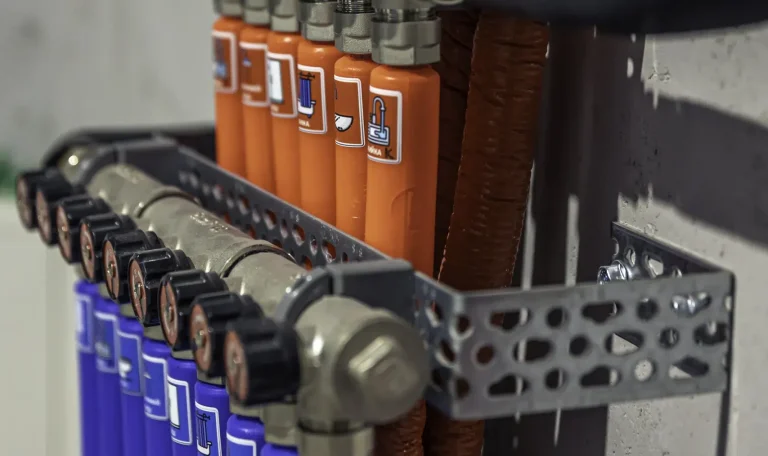
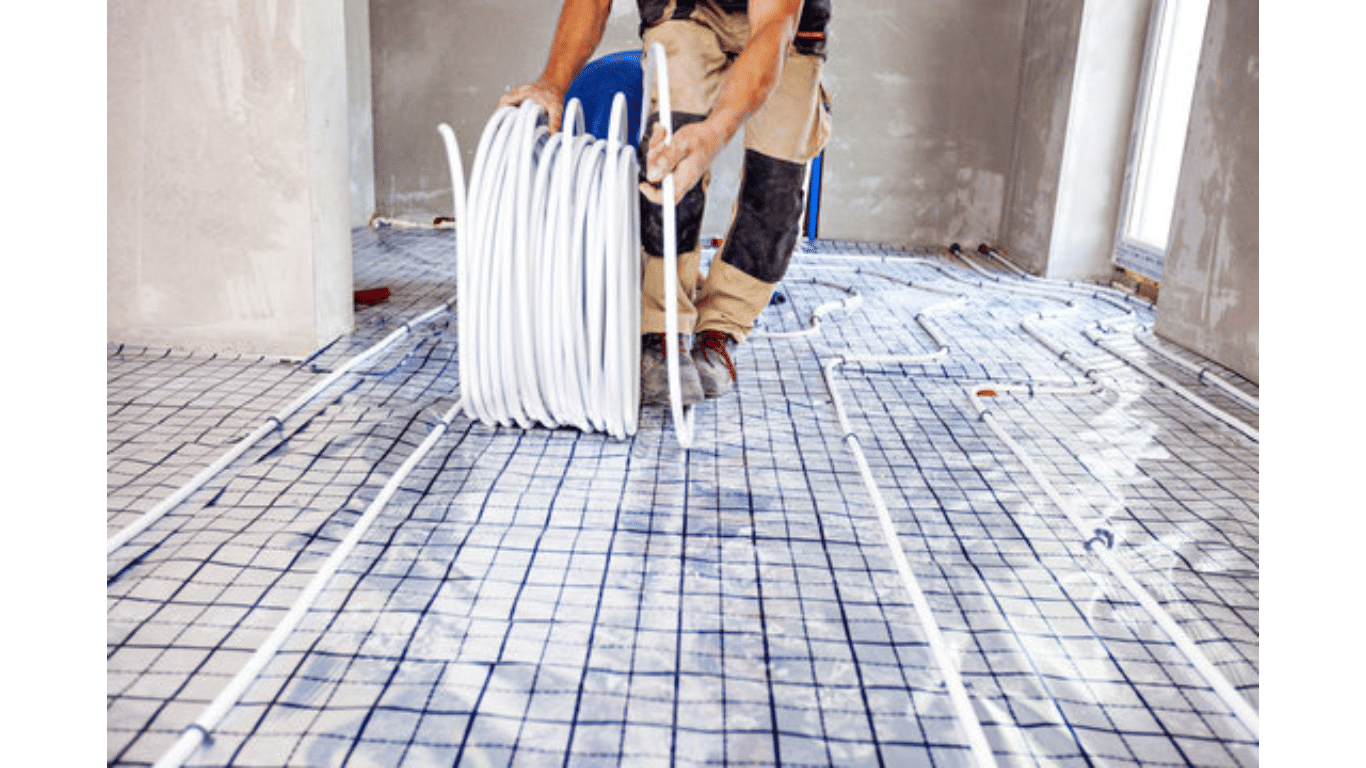
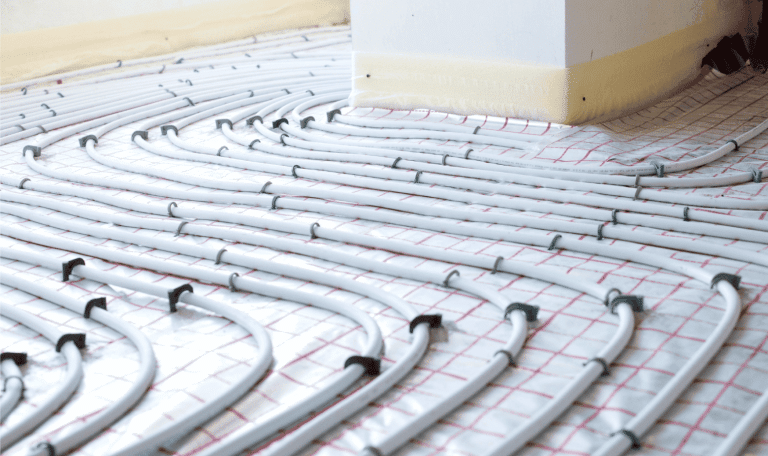
A reflective insulation board goes down first, non-negotiable, as it directs all heat upward rather than losing it into the concrete slab. The underfloor heating pipe is then fixed in a spiral or serpentine pattern across the insulation. All circuits connect to a central manifold, which distributes hot water from the boiler to each zone with independent flow control.
Before any screed or tiles cover the pipes, the system is pressurised to 1.5–2× operating pressure and held for 24 hours. This confirms there are no leaks permanently embedded in your floor. Greenwell provides a full pressure test certificate with every installation.
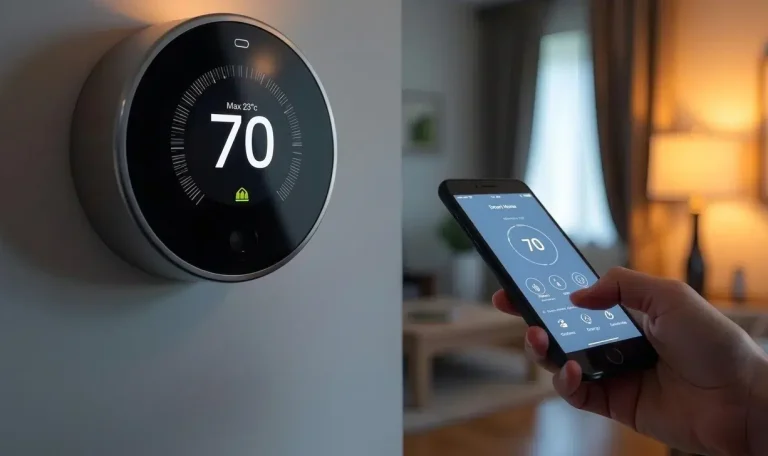
Each zone gets an independent thermostat — controllable by smartphone, programmable by schedule, and optionally integrated with home automation systems. Bedrooms, living areas, and bathrooms each maintain their own temperatures, reducing energy use by a further 15–25% compared to single-zone systems.
Pricing transparency is rare in Egypt’s heating market. Here is an honest breakdown for the Fifth Settlement and wider New Cairo area:
| Component | Approx. Cost |
| Multi-layer composite pipe (per m²) | 200–350 EGP |
| Insulation board (per m²) | 150–250 EGP |
| Manifold + controls (per zone) | 3,500–7,000 EGP |
| Smart thermostat (per zone) | 1,500–3,500 EGP |
| Labour — installation (per m²) | 180–280 EGP |
| Total installed (excluding boiler) | 600–950 EGP/m² |
For a 250 m² villa, the annual gas saving from switching to a hydronic underfloor heating system typically reaches 4,000–7,000 EGP, meaning the system pays back its installation premium within 5–7 years, then delivers decades of reduced-cost heating.
Egyptian tap water has higher mineral content and dissolved oxygen than European water. Plain PEX pipes without an oxygen barrier allow oxygen into the circuit over time, corroding the boiler heat exchanger and manifold from the inside. Always specify oxygen-barrier multi-layer pipe; any contractor recommending otherwise hasn’t accounted for local conditions.
Without the insulation board beneath the underfloor heating pipe, a large share of heat is lost downward into the concrete slab. The boiler works harder, bills go up, and the efficiency advantage of the system disappears. This is not a cost-saving option; it is a design flaw.
Treating a 500 m² villa as one heating zone is a costly mistake. South-facing rooms warm naturally during the day; north-facing bedrooms need heat at night. Proper zoning — separating floors, bedrooms from living areas, and guest rooms from the master suite — cuts energy consumption by a further 15–25%.
Underfloor heating installation in Egypt is unregulated. Before hiring anyone, request: a portfolio with client references, written thermal calculations, pipe and manifold specification sheets, and documented pressure testing procedures. If any of these are unavailable, look elsewhere.
Greenwell is based in the Fifth Settlement, at the heart of Cairo’s premium residential market. We serve compounds including Katameya Heights, Hyde Park, Mivida, Mountain View, and Palm Hills, with a team that knows the construction standards and project timelines of these developments inside out.
We source European-grade pipes, manifolds, and thermostats from certified manufacturers, combining international specifications with local expertise in Egyptian water chemistry, concrete slab construction, and flooring preferences.
Every Greenwell project includes free thermal load calculation, full system design documentation, professional installation, a pressure test certificate, system commissioning, and a multi-year workmanship warranty. We also offer annual maintenance contracts covering system flush, pressure check, and thermostat calibration.
Warm floors, clean air, lower bills — and a home that looks exactly the way you designed it. That is what a Greenwell underfloor heating pipe installation delivers. Contact us today for a free site survey and no-obligation proposal.
Don’t let another Cairo winter pass without the comfort your home deserves. Contact Greenwell, New Cairo’s leading hydronic underfloor heating system specialist, and get your free consultation today.
Yes, by removing existing flooring or using a low-profile system (15–18mm) laid directly over current floors, a popular choice for Egyptian renovations.
High-quality pipes last 40–50 years. While manifolds and boilers may need service every 10–20 years, the pipes are a permanent structural investment.
It is the safest and healthiest option for families. With floor temperatures capped at 25–29°C and no exposed hot surfaces or dust-circulating air, it is ideal for children and respiratory health.
A condensing gas boiler is the best match, as it is designed for high efficiency at low temperatures. Heat pumps are also an excellent, ultra-efficient alternative if the upfront budget allows.