Choosing the best water heating system for home depends on more than the heater itself. Your household size, daily hot water demand, available space, energy source, installation requirements, and long-term operating costs all play an important role in finding the right solution. Whether you are looking for an electric water heater, gas system, solar water heating, or a modern heat pump, understanding the differences can help you make a more efficient and cost-effective decision.
In this guide, we explain the main types of hot water heaters, how to choose the right capacity using a water heater size calculator, the advantages of different systems, and what to consider when comparing the cost of a hot water system.
There are several water heating technologies available for homes and residential projects. Each option has different advantages depending on your requirements.
Electric water heaters are widely used because they are simple to operate and relatively easy to install. They heat water using an electric heating element and store the heated water in a tank.
An electric heater can be a practical choice for apartments, villas, and homes where electricity is readily available. When choosing the best electric hot water heater, it is important to consider tank capacity, insulation, energy consumption, safety features, and the quality of installation.
For homeowners searching for the best electric water heater in Egypt, the right choice should be based on actual hot water demand rather than simply selecting the largest available tank.
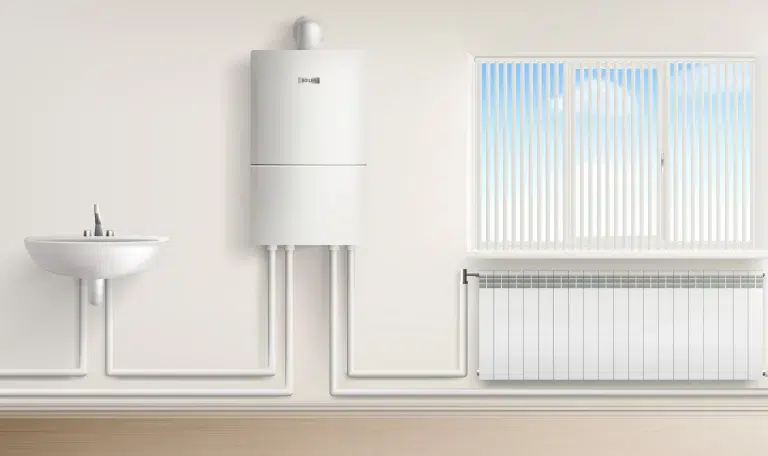
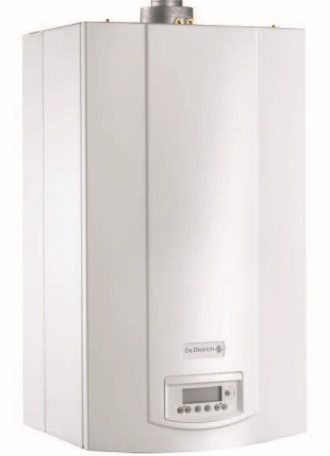
Gas water heaters use natural gas or another suitable gas source to heat water. They can provide hot water efficiently and are often considered when a home has a reliable gas connection.
The best water heaters gas option depends on several factors, including the required flow rate, number of bathrooms, installation location, ventilation requirements, and household consumption.
Gas systems can be particularly suitable for homes with relatively high and continuous hot water demand.
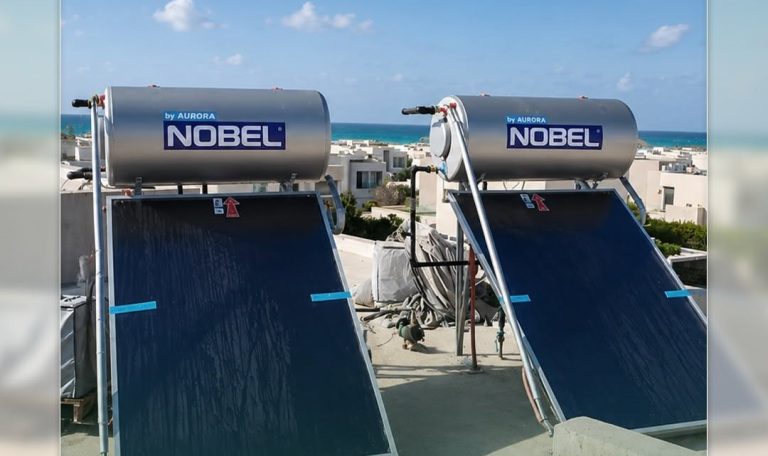
Central Water Heating System use solar energy to heat water, reducing dependence on conventional energy sources. They can be an attractive option in locations with good solar exposure.
A solar system normally includes solar collectors, a storage tank, and the necessary circulation and control components. Depending on the project, an additional heating source may be used when solar energy is insufficient.
Heat pump water heaters use electricity differently from conventional electric heaters. Instead of generating heat directly through an electrical resistance element, they transfer heat from the surrounding air to the water.
This technology can provide high energy efficiency and can be suitable for homeowners looking for a modern water heating solution with lower long-term energy consumption.
There is no single system that is the best for every home. The ideal solution depends on your property’s requirements.
Consider these factors before choosing a system:
For example, a small apartment with limited hot water demand may require a completely different solution from a large villa with several bathrooms and simultaneous hot water usage.
One of the most important steps when choosing a water heater is determining the correct capacity.
A simple water heater size calculator can help estimate the required capacity based on the number of people and expected consumption. However, household size alone is not always enough.
You should also consider the number of showers, bathrooms, kitchen usage, peak demand periods, and whether several outlets may require hot water at the same time.
Choosing a heater that is too small can result in insufficient hot water, while choosing an unnecessarily large system can increase installation costs and energy consumption.
For larger residential projects, a professional engineering assessment is recommended to calculate the required capacity and select the appropriate system configuration.
If you are searching for the best electric water heater in Egypt, don’t choose based only on brand name or tank size.
Look for:
The best electric hot water heater for one household may not be the best choice for another. A professional assessment can help determine the correct capacity and configuration according to actual usage.
Read More : gas water heater vs electric
Gas systems can be a practical solution when a suitable gas connection is available and the property meets the required installation and ventilation conditions.
When comparing gas water heaters, consider the heating capacity, hot water flow rate, energy efficiency, safety controls, installation requirements, and expected household demand.
For properties with several bathrooms or high hot water consumption, it may also be worth considering a centralized hot water system rather than installing individual heaters for every point of use.
The cost of a hot water system varies significantly depending on the technology, capacity, equipment specifications, installation requirements, and property size.
A basic electric heater may have a lower initial cost than a complete solar or heat pump system. However, initial purchase price is only one part of the total cost.
A proper comparison should consider:
This is why the cheapest system upfront is not necessarily the most economical solution over time.
Read More : gas central heating
Efficiency depends on the technology, operating conditions, system size, installation quality, and usage pattern.
Solar water heating can reduce conventional energy consumption when there is sufficient solar availability. Heat pump systems can provide high efficiency by transferring heat instead of generating it directly. Conventional electric and gas systems may also be appropriate when simplicity, availability, or specific project requirements are the main priorities.
The right solution should therefore be evaluated based on the total cost of ownership, not just the purchase price.
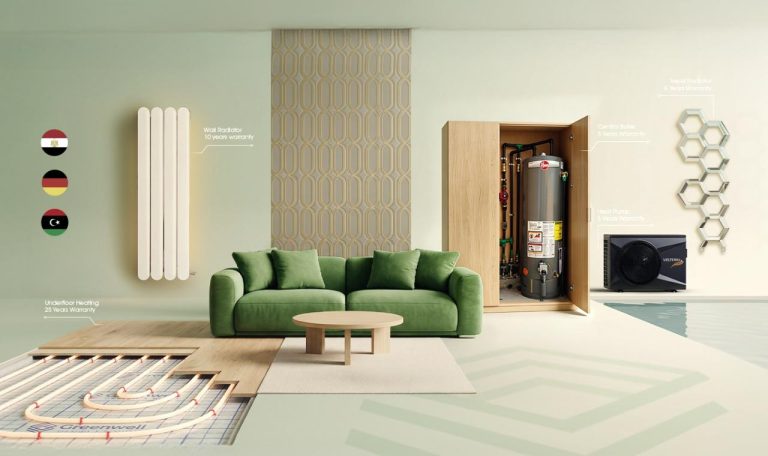
For larger homes, villas, residential buildings, hotels, and other projects, a centralized hot water system can offer advantages over multiple individual heaters.
A central system can be designed to supply hot water to several outlets from one coordinated system. This can simplify system management and allow engineers to design the capacity around the property’s actual demand.
The best configuration depends on the building layout, number of users, peak demand, available energy sources, and project requirements.
Read More : boiler maintenance
Selecting the right water heating solution requires more than choosing a heater from a product list. As an experienced central heating company, Greenwell can assess your project’s requirements and determine the appropriate water heating configuration based on the property’s size, usage, hot water demand, and available energy sources.
From system selection and engineering design to supply and installation, Greenwell provides properly designed solutions that deliver reliable hot water while balancing comfort, efficiency, and long-term operating costs.
If you are planning a new home, villa, or residential project, professional consultation can help you avoid choosing an undersized or unnecessarily oversized system and ensure the solution meets your property’s actual hot water requirements.
The right water heating system should provide reliable hot water while matching your property’s actual requirements. Instead of choosing a system based only on its initial price, consider capacity, efficiency, installation, maintenance, and long-term operating costs.
If you are comparing electric, gas, solar, heat pump, or centralized solutions, Greenwell can help you evaluate your requirements and select a suitable water heating system for your home or project.
Contact Greenwell today for professional consultation and the right hot water solution for your property.
The best water heating system for home depends on household size, hot water consumption, available energy sources, installation conditions, and budget. Electric, gas, solar, and heat pump systems can all be suitable depending on the project.
A water heater size calculator can provide an initial estimate based on household size and expected consumption. For larger projects, the calculation should also consider bathrooms, outlets, peak demand, and simultaneous usage.
The best electric water heater depends on the required capacity, energy efficiency, safety features, insulation, quality, and installation conditions. The right capacity should be selected according to the household’s actual hot water demand.
Neither option is automatically better. Gas and electric systems have different installation requirements, operating costs, capacities, and advantages. The appropriate choice depends on the property and its available energy sources.
Solar and heat pump water heating systems can offer high energy efficiency under suitable operating conditions. However, the most suitable system depends on the property’s location, usage, available energy sources, and installation requirements.
The cost of a hot water system depends on its technology, capacity, equipment, installation, and project requirements. A professional assessment is recommended before comparing prices because two systems with different capacities or technologies cannot be compared based only on their purchase price.
Yes. A centralized hot water system can be suitable for villas with multiple bathrooms and high or simultaneous hot water demand. The system should be properly sized and designed according to the property’s requirements.
The best choice depends on your property’s energy availability, hot water demand, budget, installation conditions, and long-term efficiency goals. A professional assessment can help determine which technology is most suitable.