We often take it for granted. You flick a switch, and minutes later, your home transforms from a walk-in freezer into a cozy sanctuary. But for a homeowner, understanding how central heating system works is the first step toward reducing energy bills and ensuring long-term comfort.
At Greenwell, we believe a well-informed homeowner is an efficient one. Let’s pull back the curtain on the mechanics of warmth and explore the journey of heat through your home.
How Central Heating System Works: A Simple Guide
how central heating system works? is by generating heat in one central location and distributing it through a closed-loop network to keep your entire home warm and cozy.
Central Heating System Components and Working
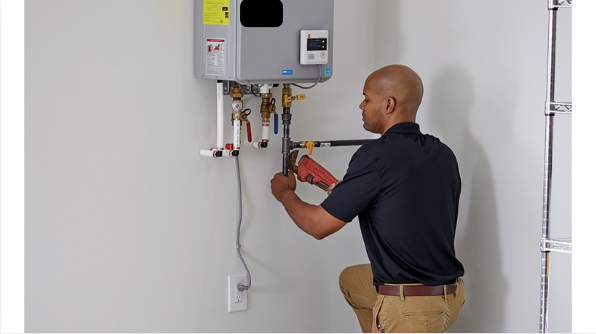
- The Heat Source: Usually a boiler. This is where fuel (gas, oil, or electricity) is converted into thermal energy.
- The Distribution Network: A network of pipes that carries heated water to every corner of your property.
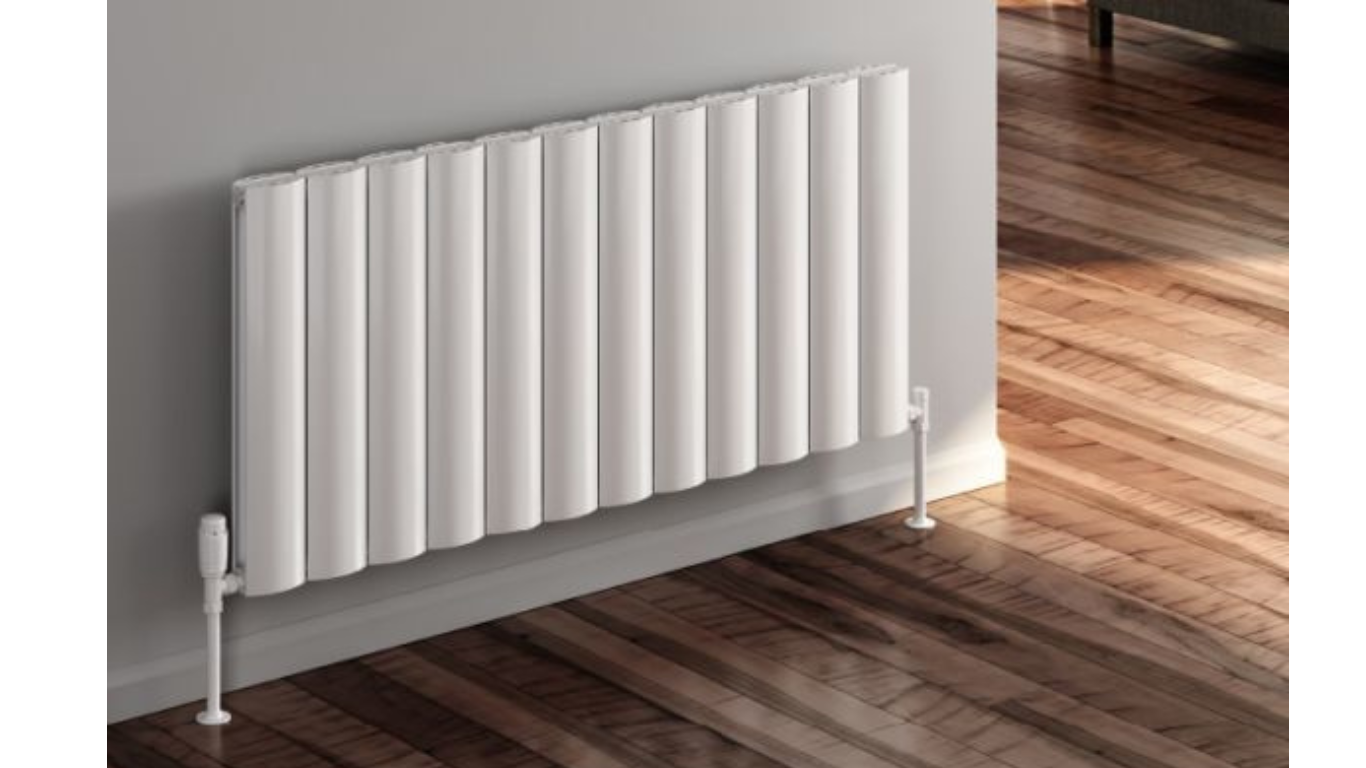
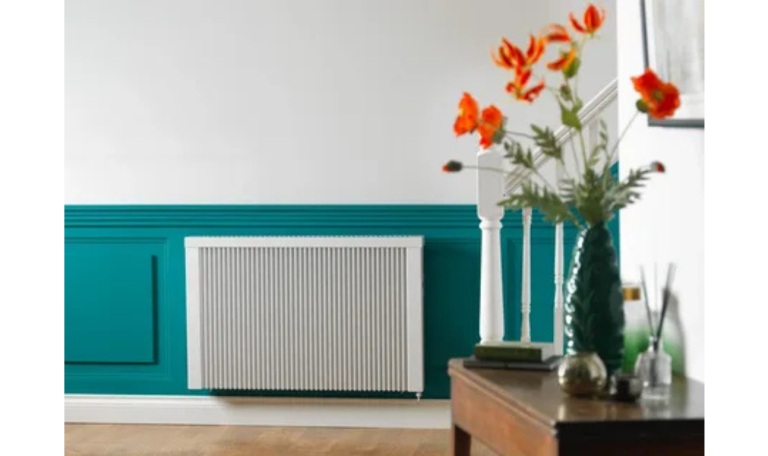
- The Emitters: These are your radiators or underfloor heating loops that release the warmth into your living space.
- The Control System: The thermostat and programmers that monitor the temperature and signal the system to start or stop.
Master how central heating system works with Greenwell—stay warm, save energy, and book your expert service today. Contact us on WhatsApp or call us at 01146787877
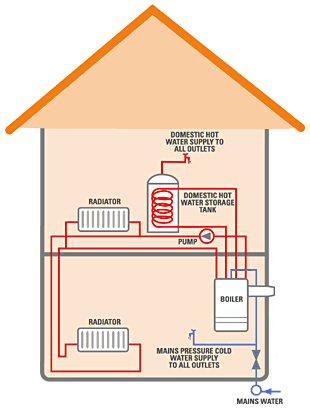
Different Types of Systems: Which One Is Yours?
- Combi Boilers: Heats water directly from the mains on demand. No tanks needed—ideal for saving space.
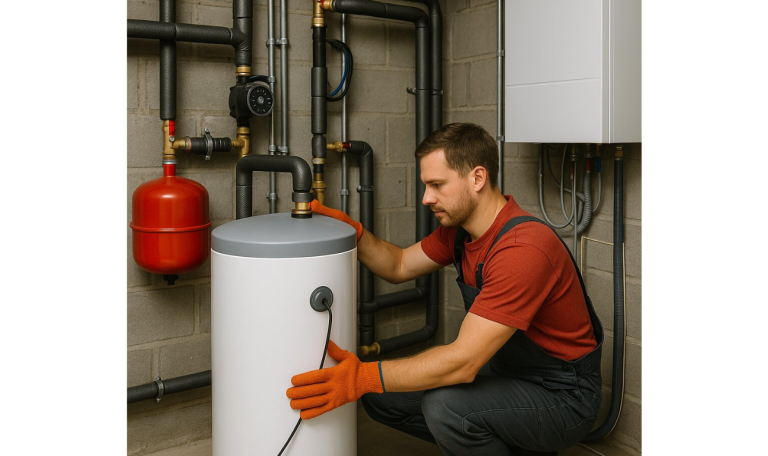
- System Boilers: Uses a separate cylinder to store hot water, with most internal components built into the boiler for a cleaner setup.
- Conventional Boilers: The traditional choice for older homes, requiring both a cold water tank and a hot water cylinder.
The Physics of Heat: Radiation vs. Convection
To truly master how central heating system works, you need to understand convection. Despite their name, radiators don’t just radiate; they heat the air next to them, causing it to rise and be replaced by cooler air in a continuous loop. This is why Greenwell experts advise against placing large furniture directly in front of radiators, blocking this flow breaks the cycle of warmth and wastes energy.
how central heating system works: The Step-by-Step Process
To understand how central heating system works, just follow the flow of energy:
- The Signal: Your thermostat detects a cold room and tells the boiler to fire up.
- The Heat: A heat exchanger warms the water inside the boiler.
- The Flow: A pump pushes this hot water through your pipes to the radiators.
- The Loop: Radiators warm the air, and the cooled water returns to the boiler to start again.
Why Greenwell Recommends System Health Checks?
Understanding the theory of how central heating system works is a great start, but practical maintenance is where the longevity of your investment lies. A professional Greenwell Health Check includes:
- Checking the gas pressure and flow.
- Inspecting the flue terminal for obstructions.
- Testing all safety devices to ensure they trip correctly in an emergency.
Maintenance: Keeping the Flow Smooth
Knowing how central heating system works is only half the battle; maintenance keeps it alive. Here is how to protect your system:
- Watch for Sludge: Rust and debris can build up, slowing down the water flow and increasing bills.
- Check for Cold Spots: Uneven heating means your system is struggling to circulate.
- Power Flushing: Regular cleaning clears the veins of your home to restore efficiency.
- The Greenwell Advantage: To ensure you see how central heating system works at its best, we offer 2 years of free maintenance with every new installation.
The Greenwell Difference: Efficiency by Design
At Greenwell, we look at your home as a complete ecosystem, not just a boiler. By optimizing how central heating system works, we ensure every component is at its peak:
- Smart Control: We use advanced thermostats to refine heat based on your daily routine.
- Waste Reduction: Our high-efficiency components can cut your energy waste by up to 30%.
- Premium Quality: We only install top-tier, European and German-standard parts for maximum durability.
- Expert Integration: Every system is custom-balanced to eliminate cold spots and noise.
The Future: Integrating Renewable Energy
- Air Source Heat Pumps (ASHPs): Instead of burning fuel, these extract heat from the outside air.
- Solar heaters: Using sun rays to pre-heat the water in your cylinder, reducing the workload on your boiler.
- Hybrid Systems: A smart setup where a gas boiler and a heat pump work together, switching between fuels based on which is most efficient at that exact moment.
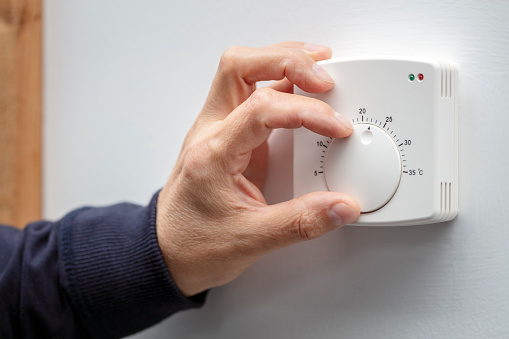
Central Heating thermostat control dial adjustment
Central Heating Costs in Egypt: What to Expect in 2026
| Property Type / System |
Average Cost Range (EGP) |
| Standard Apartment (120–150 m²) |
85,000 – 145,000 |
| Small Villa (200–250 m²) |
160,000 – 290,000 |
| Underfloor Heating (Per m²) |
1,700 – 2,500 |
| High-Efficiency Gas Boiler |
Starting from 45,000 |
Factors Affecting the Price
- Boiler Brand: European condensing boilers (like those from Germany or Italy) offer higher longevity but come at a premium compared to local or entry-level models.
- Installation Complexity: Retrofitting an existing home often costs more than installing a system during the Black Brick (conduit) stage.
- Smart Features: Adding individual room thermostats (multi-zoning) can increase the initial setup cost but significantly reduces long-term gas consumption.
Now that you know how central heating system works, let Greenwell optimize your home for maximum comfort and lower bills. Contact us on WhatsApp or call us at 01146787877
Frequently Asked Questions
- Why are my radiators cold at the top and hot at the bottom? This usually means air is trapped inside. Air prevents hot water from circulating fully, disrupting how central heating system works. You can easily fix this by bleeding your radiators with a radiator key.
- How often should I service my boiler? You should book a service once a year. Regular maintenance keeps all central heating system components and working parts safe, ensures your warranty remains valid, and prevents expensive mid-winter breakdowns.
- What is the most efficient thermostat setting? The ideal range is 18°C to 21°C. Lowering your thermostat by just 1°C can cut your heating bills by up to 10% without sacrificing comfort, thanks to the precision of modern controls.
- Can I have different types of radiators in the same house? Yes, but the system must be balanced. This ensures the water flow is adjusted so that every radiator, regardless of its size or material, heats up at the same rate.
- How long will my central heating system last? A boiler typically lasts 10 to 15 years, while radiators can last over 20 years. If your system is old, upgrading to a modern unit can drastically improve how central heating system works and lower your energy costs.